Today, I want to take you to know another kind of beauty- The beauty of ornamental grass They may not be as dazzling as flowers, but their beauty is not comparable to flowers...
If you happen to want to change your style, or you are not very good at growing flowers, it is strongly recommended that you plant an ornamental grass (which can be inserted between flowers and flowers). They are tenacious and don't need much care, but they definitely give you an alternative beauty!
1. What is ornamental grass
Ornamental grass refers to the collective name of grasses and plants similar to grasses with aesthetic value for ornamental use, mainly grasses, including Cyperaceae, Rusaceae, Liliaceae, etc.
2. Common ornamental grass varieties
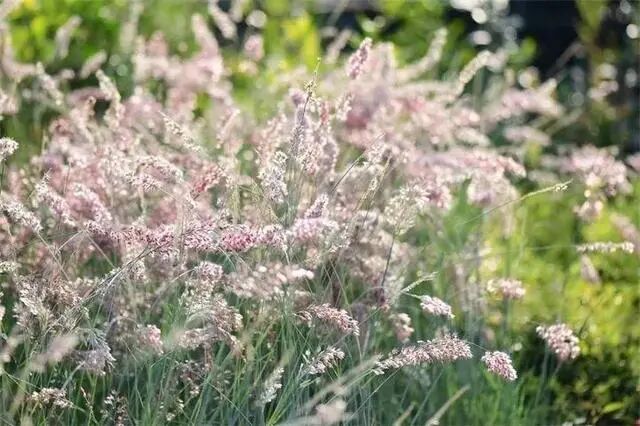
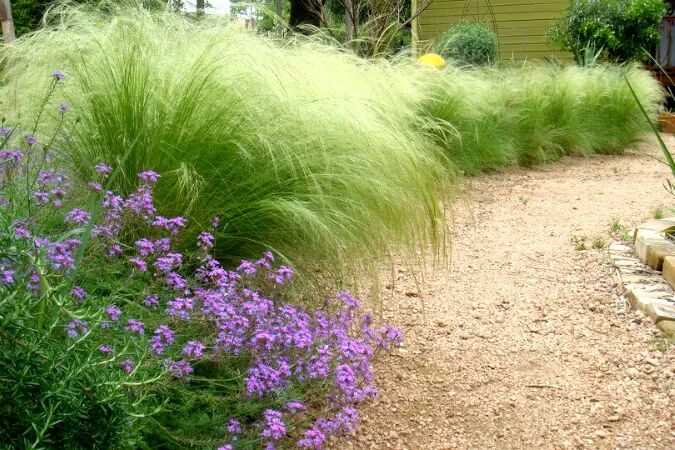
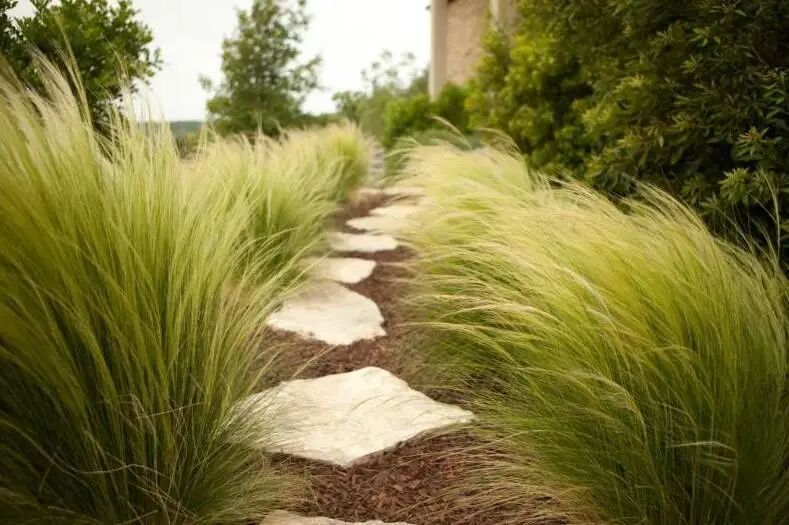
The leaves are slender and drooping, with finely toothed margins, grayish-green, and short-hairy. The flower spikes are silvery white and glossy. Flowering period September-October. This model not only has pink flower spikes, but also has a short model!
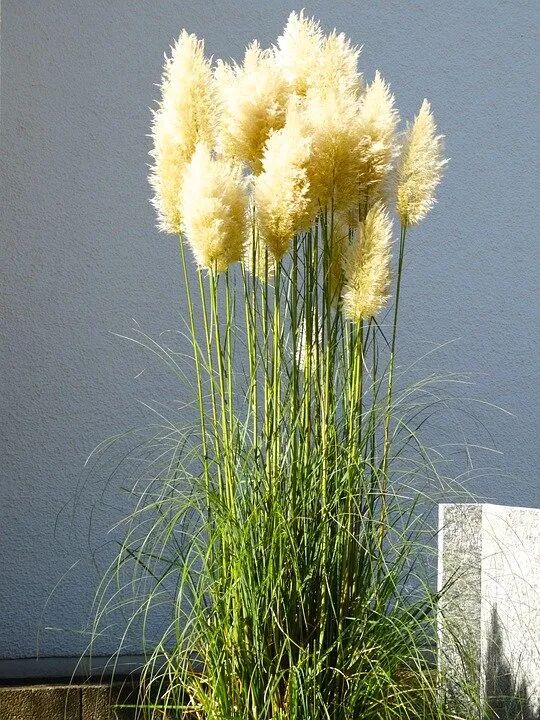
Pampas gold is a new variety of Pampas gold, with a plant height of about 120 cm. Its biggest feature is that its leaves are golden yellow, and its leaves and flower spikes are ornamental.
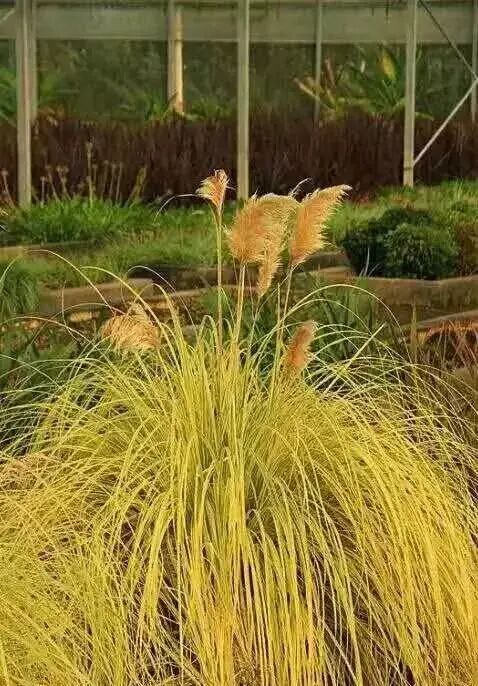
Perennial densely clustered herbaceous plant, with erect and clustered culms, longitudinally curled leaves, slightly hairy on the top, and light yellow hairy flower spikes. Flowering period June-August.
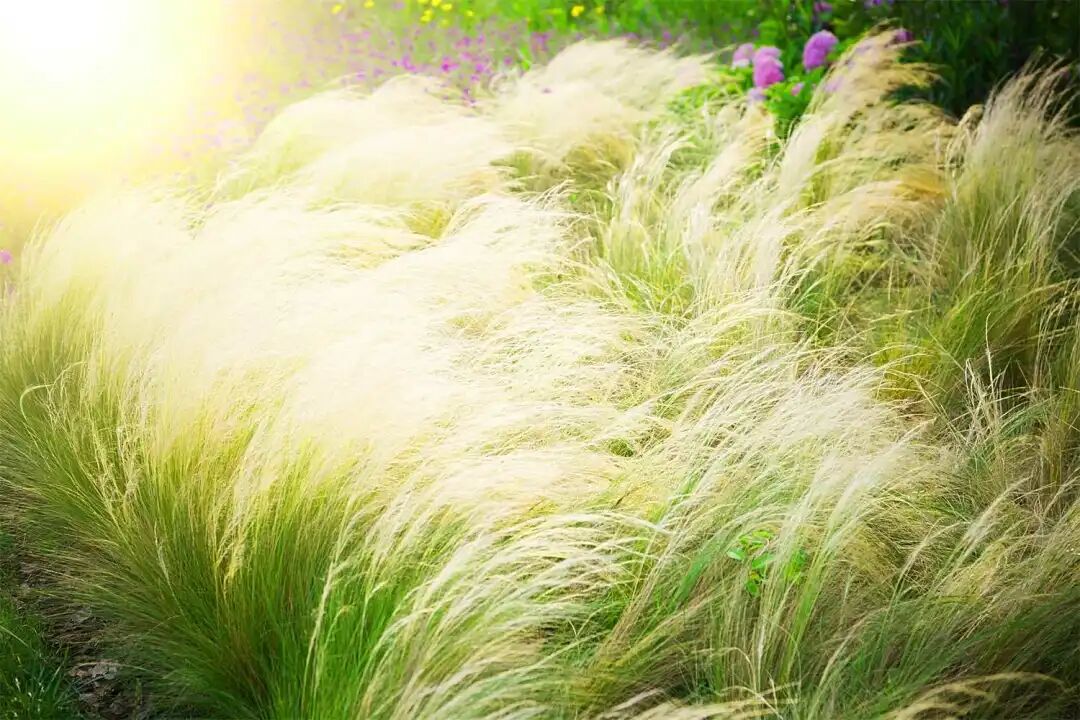
Perennial warm-season herbaceous plant with slender green leaves and cloud-like pink terminal tidbits, which is very romantic. Flowering period September-November.
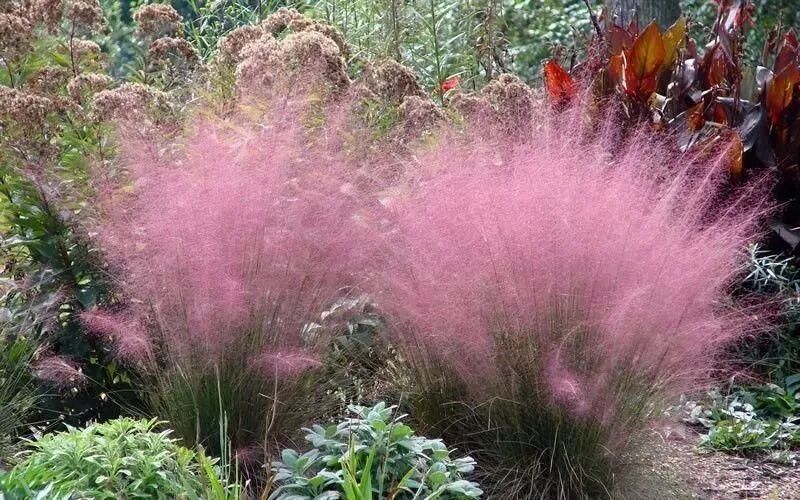
Perennial herbaceous plant with ribbon-shaped erect leaves, green (dark purple-red in autumn), bottle-shaped clusters, pink inflorescences, small and light. Flowering and fruiting period June-October.
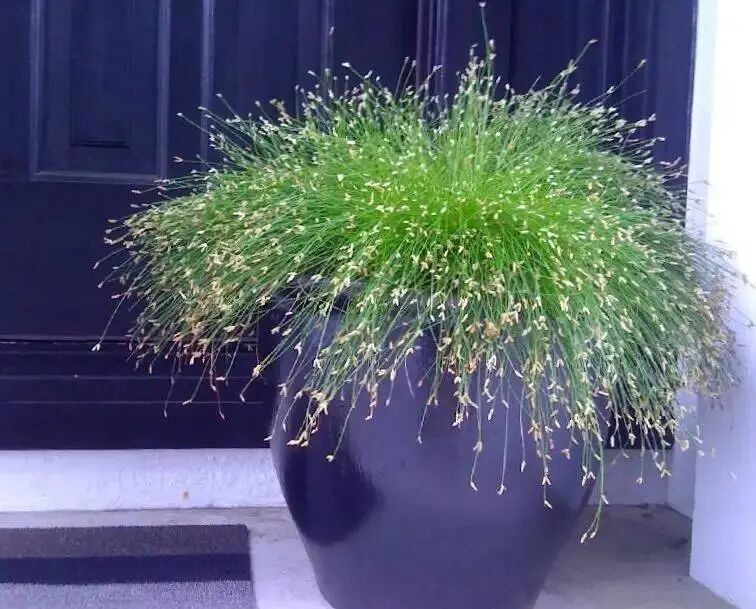
The leaves grow slender and upward. When mature, small flowers bloom on the leaves and droop naturally. The plant shape is dense and round, and does not need to be topped.
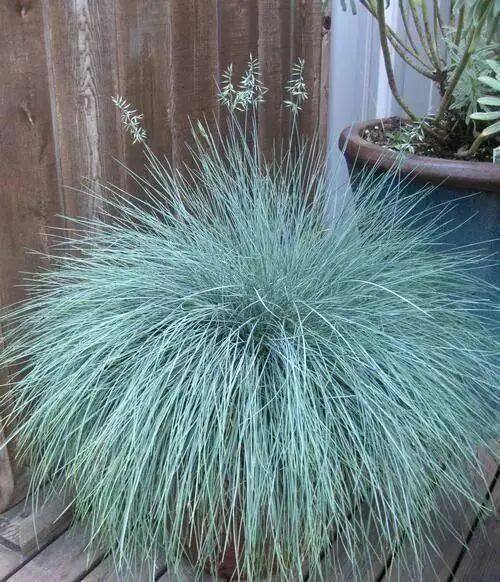
Evergreen herb with upright, smooth and soft leaves. The leaves are strongly involved and needle-shaped or hairy. The color is mostly blue with silvery frost (it will be greener in winter). Panicles, flowering in May.
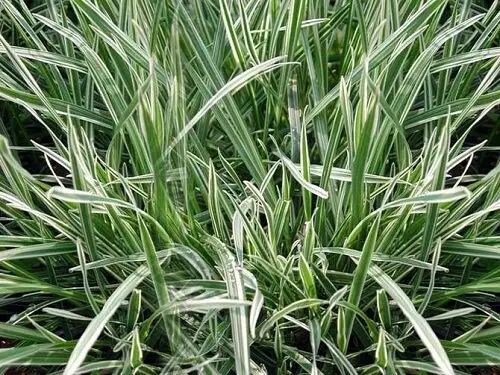
Perennial evergreen perennial herb with linear leaves, green ribs, creamy yellow on both sides (turning yellow on both sides in summer), and long and narrow panicles.
Clustered, leaves are slender, arc-shaped and drooping, evergreen, and flower spikes are feathery. Flowering Period Summer.
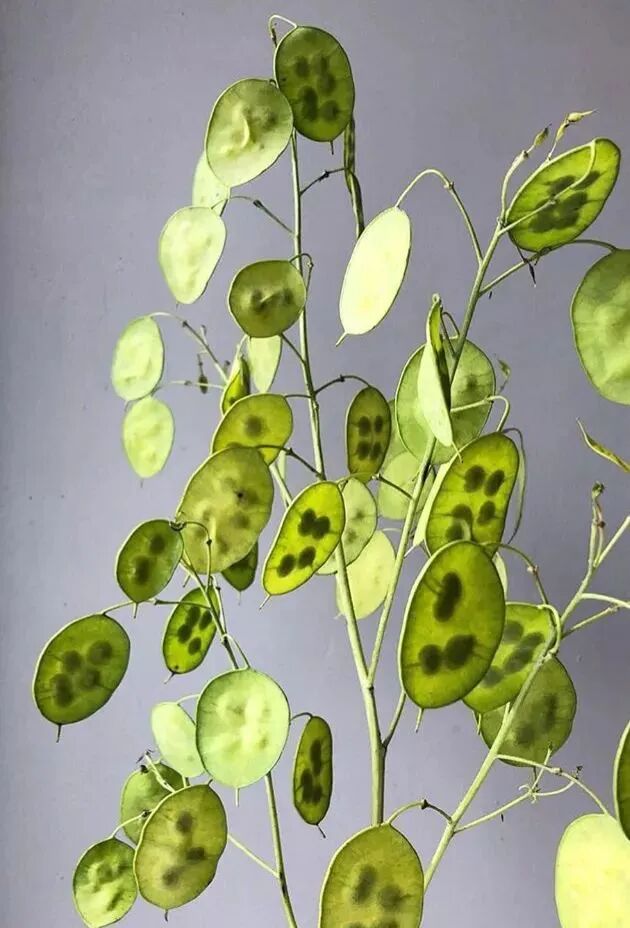
Golden Fan Silver Money Grass
Leaf blade ovate to elliptic, margin serrated, whole plant coarse with hairs. Purple or white flowers (fragrant, can be used as cut flowers). After the flowers fade, the ovary will enlarge rapidly, forming flat round fruit pods.
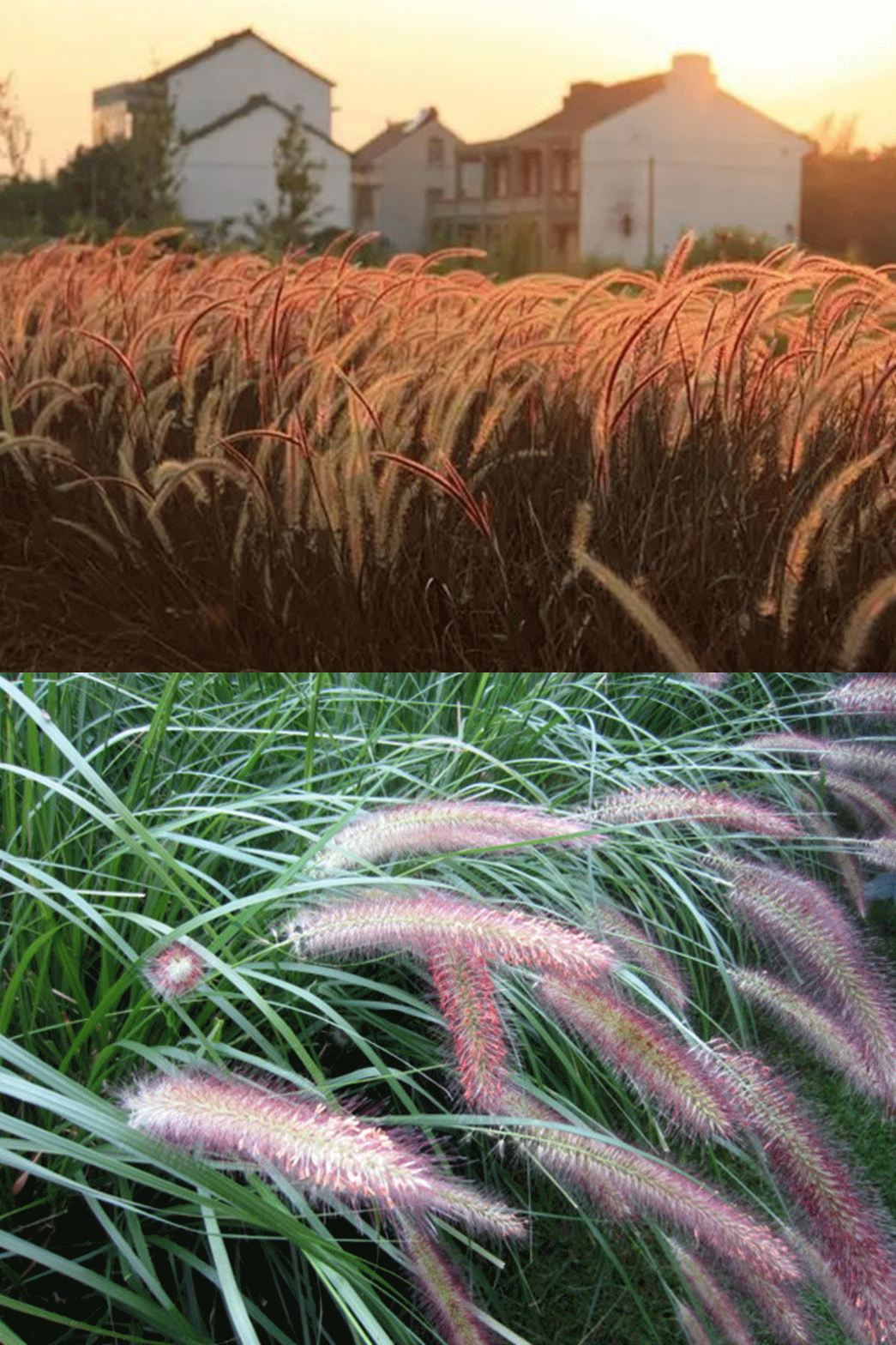
Herb perennial, erect clusters, leaves linear, apex acuminate, base warty hairs. The flower spike is upright and long cone-shaped, with light green or purple bristles attached to it. It looks furry, but feels rough to the touch. The flowering and fruiting period is summer and autumn. There is also a variety of this model, the whole plant is purple, which is called Pennisetum flame.
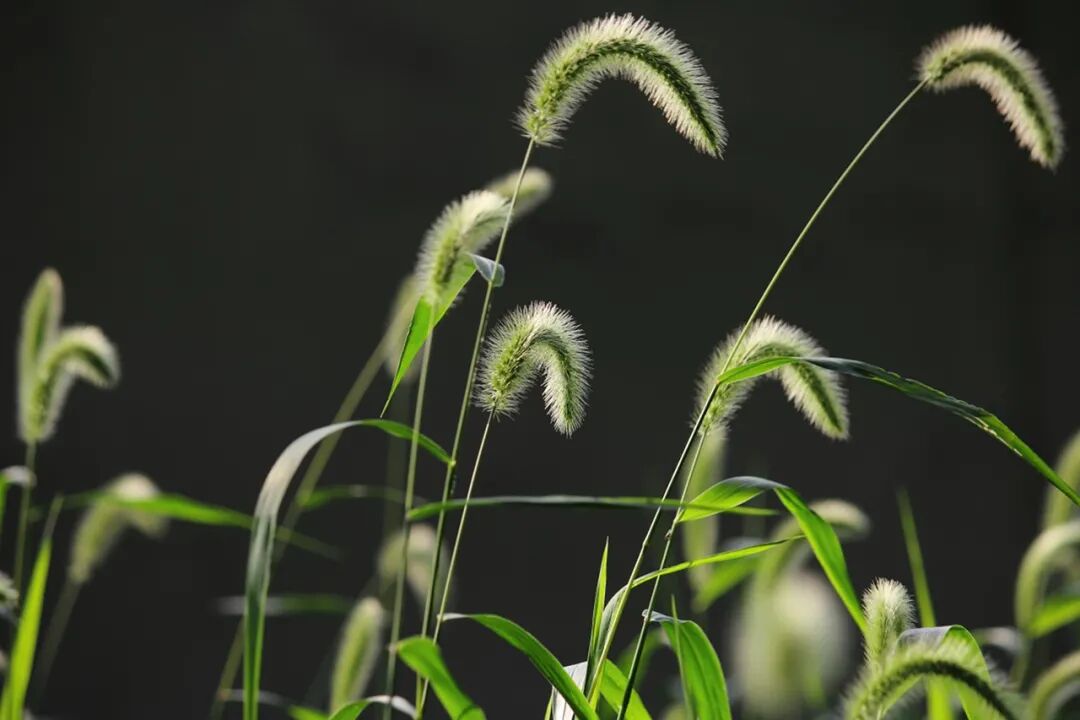
Annual herbaceous plant, with upright stalks or geniculate base, flat leaves, narrowly lanceolate or linear lanceolate in the Yangtze River Delta, long acuminate or acuminate at the apex, obtuse round at the base, and erect flower spikes in a long cone shape, with light green bristles attached.
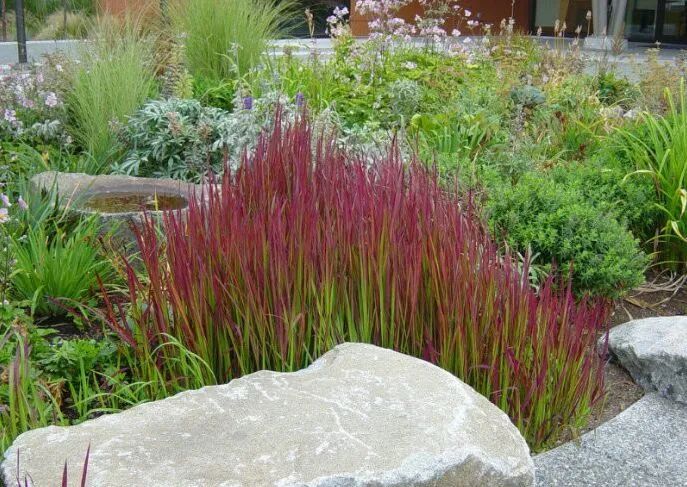
Perennial herbaceous plant, clustered, sword-shaped leaves, which can remain blood red all year round, panicles, silvery white spikelets, flowering in late summer.
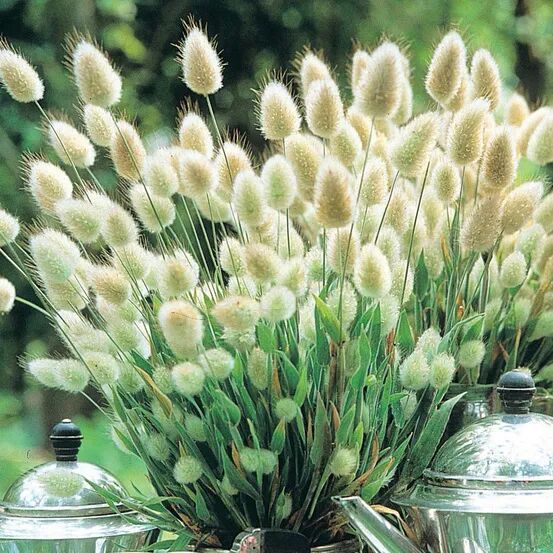
Annual herb with flat, long and narrow leaves, soft ovate inflorescences of white or golden yellow, like a rabbit's tail, with many spikelets. Flowering period Early summer to autumn.
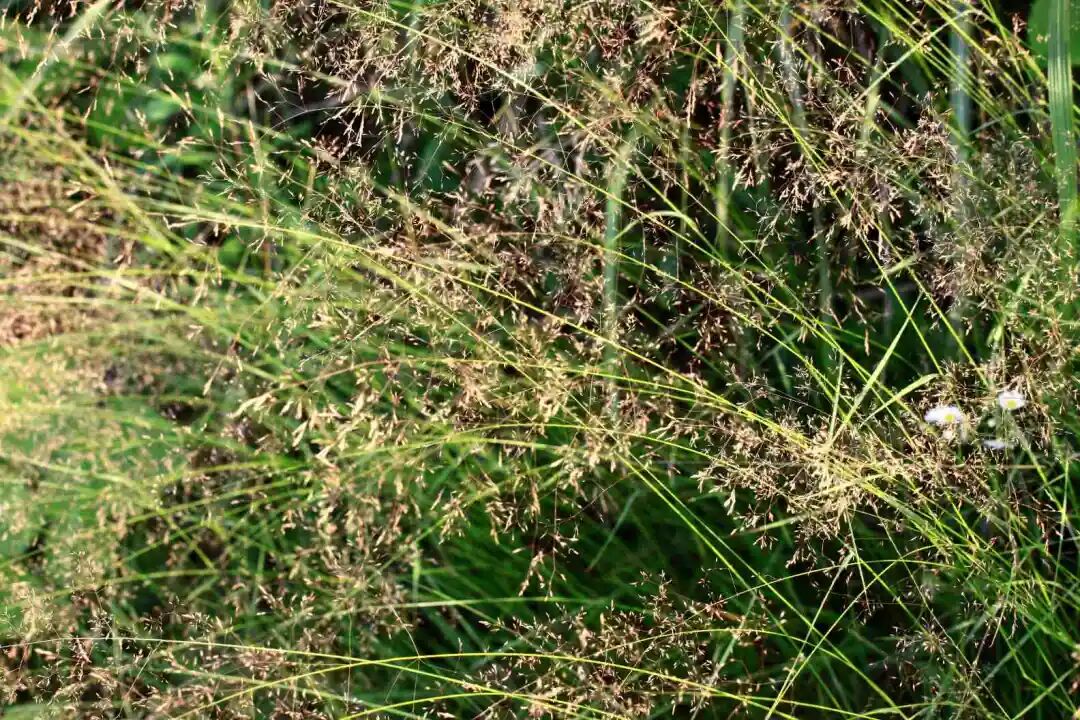
Perennial herb with flat (some rolled) leaves, relatively tough, rough surface, smooth back, and villous base. Purple and purple-black flower spikes, brown-red fruit.
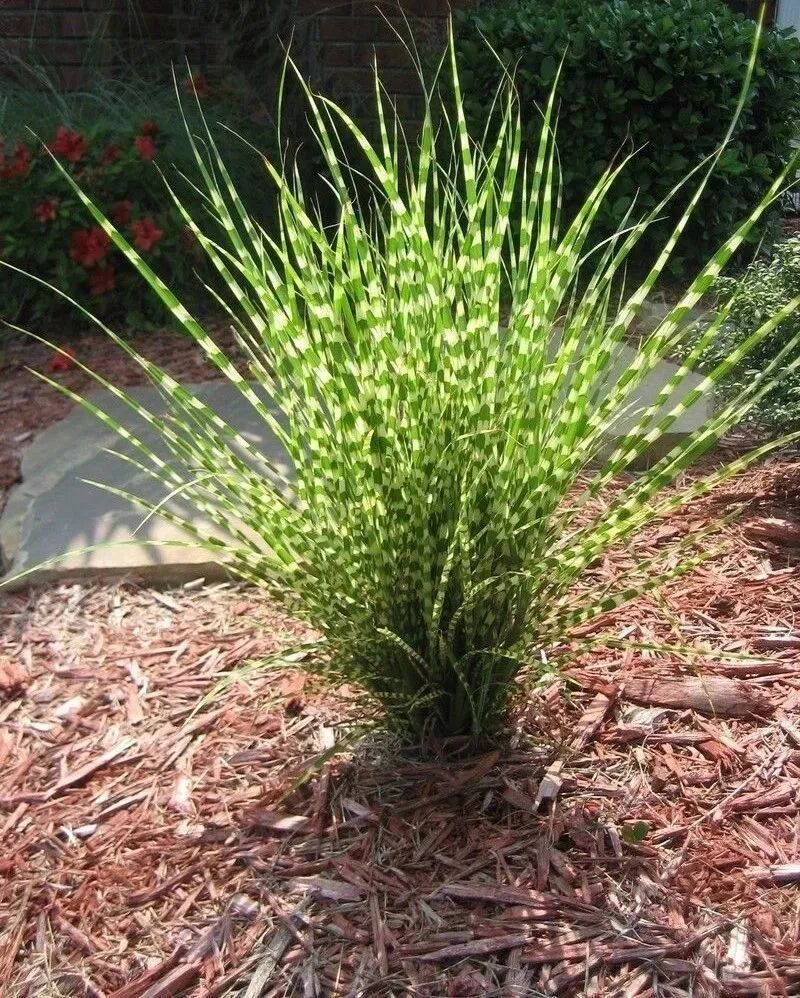
Perennial herb, clustered, with yellow irregular markings on leaves, very bright, yellow flowers and purple-red inflorescences. The viewing period is from May to November.
The leaves are upright and slender, with arcuate tips, terminal panicles, and changeable flower colors (from initial pink to red, turning to silvery white in autumn). The flowering period is from September to October.
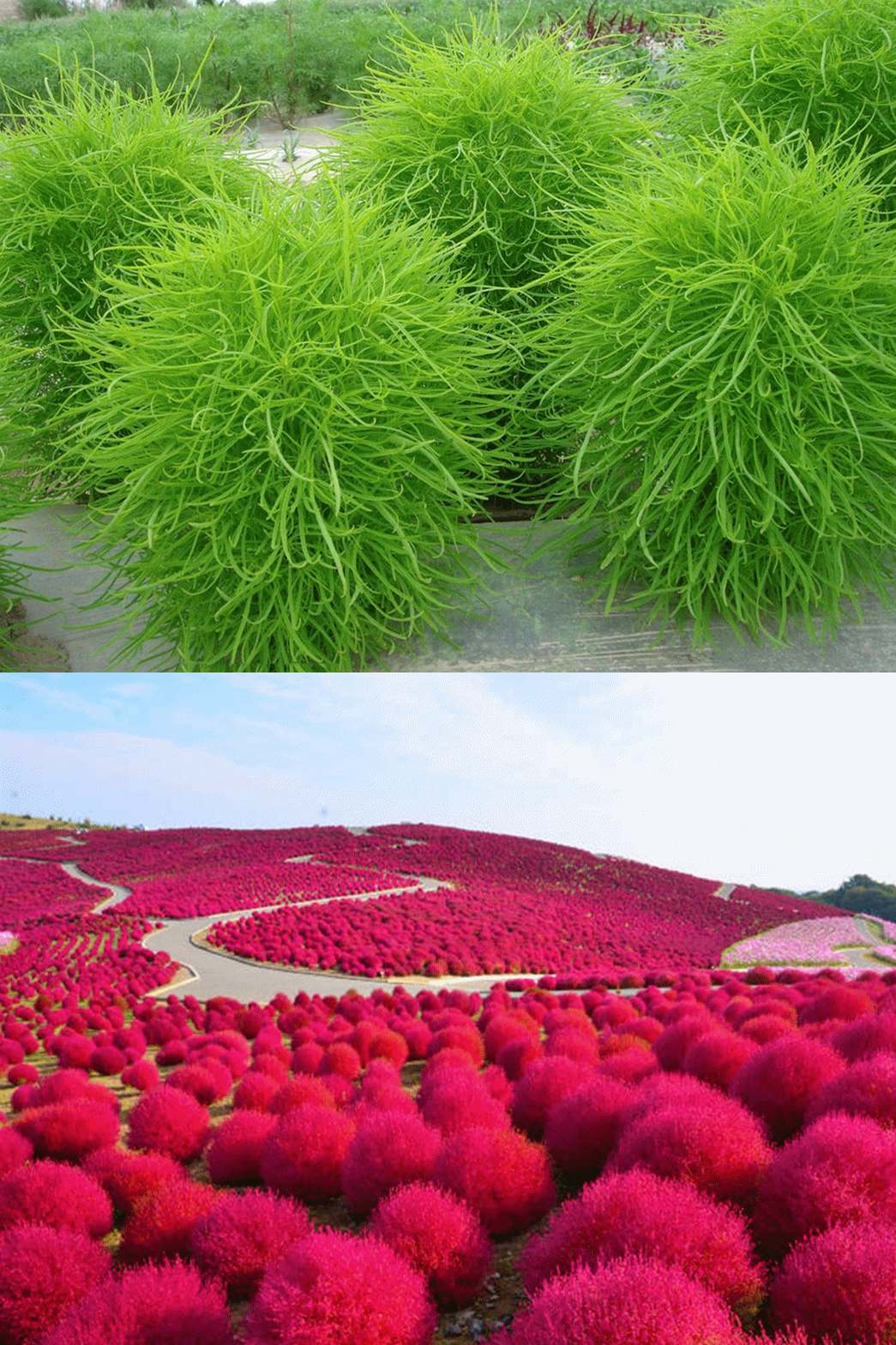
Annual herb, with planar leaves lanceolate or strip-lanceolate, glabrous or slightly hairy, and apex short acuminate. Stems erect, cylindrical, pale green or purplish red, with many ribs, slightly pubescent or almost glabrous at the lower part. The plants are ovoid or obovate. There is also a red version of kochia.
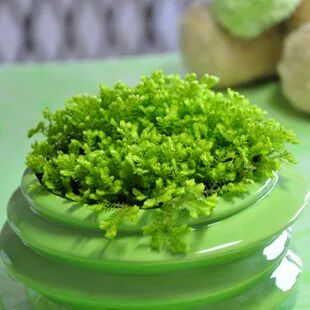
Medium-sized fern volcanoides. The main stem grows in the ground and has adventitious roots at the nodes. Leaves ovate, much bifurcated. Can be used as ground cover grass.
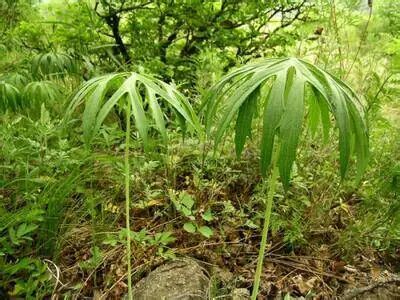
Herbaceous perennial with erect, single, glabrous, slightly tan stems. There is 1 root leaf, umbrella-shaped and drooping.
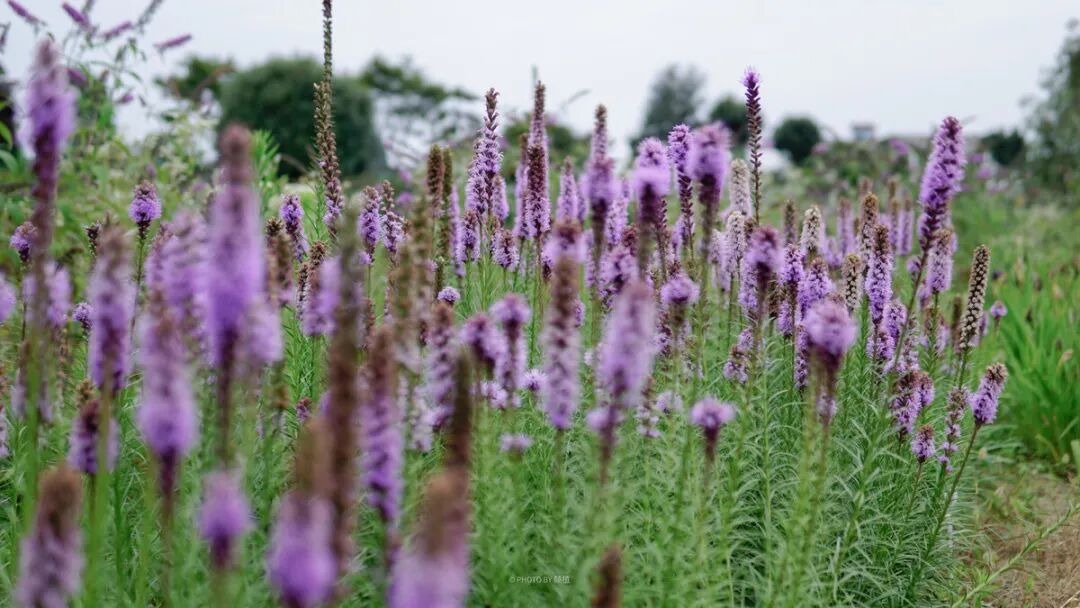
Perennial herbaceous flower plant with upright stem, cone-shaped plant shape, linear leaves, long flower spikes, red-purple flowers attached to it, which are whip-shaped.
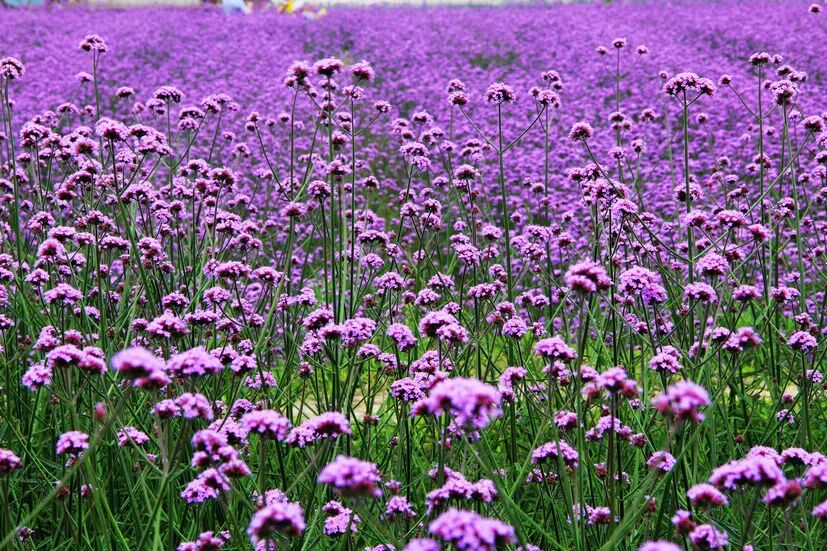
Plants of the family Verbenaceae, genus Verbena. The plant height can reach 100-150 cm, with many branches. At the early stage of growth, the leaves are oval, with notches on the edges, like irregular serrations, and coarse hairs on both sides. After the flower stem is raised, the leaves turn slender like willow leaves, and the edges are still sharp notches. The corolla is purple or lavender, showing cymose spikes, which are clustered on the top flower spike. The whole plant has fine fluff. Flowering period May-September.
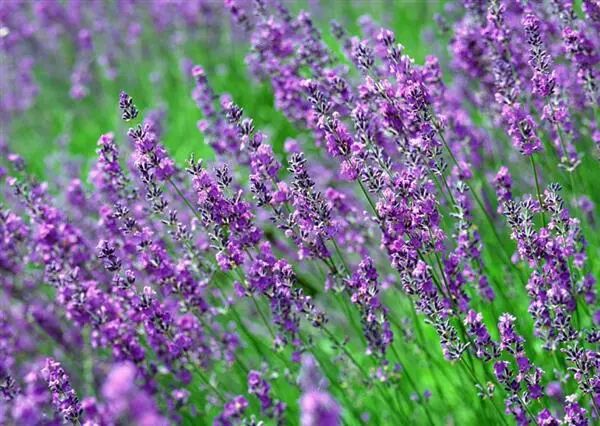
Lavender perennial herb or dwarf shrub, clustered, branched, upright. The leaves are alternate, oval-shaped with pointed leaves (needle-shaped with larger leaf surface, reversed leaf margin). The spikes are terminal (tubular at the lower part and lip-shaped at the upper part), with blue, dark purple, *, white and other colors. The common lavender is purple-blue, and the whole plant has a light aroma with slight wood sweetness. The flowering period is from June to August.
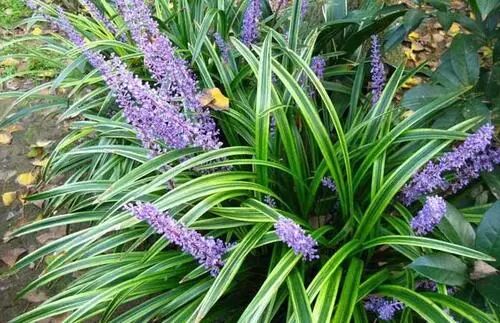
Herbaceous perennial, clustered, stems very short, graminate, apex acuminate, with 3-5 veins, margin finely serrated. The flowers bloom in clusters and are white or slightly purplish. This model also has Phnom Penh Classic grass (yellow leaf edge) and Thin leaf Classic grass (linear leaf).
Four ornamental grasses, snake whip chrysanthemum, willow leaf verbena, lavender and coastal grass, are slightly similar and often confusing. They are all listed here!
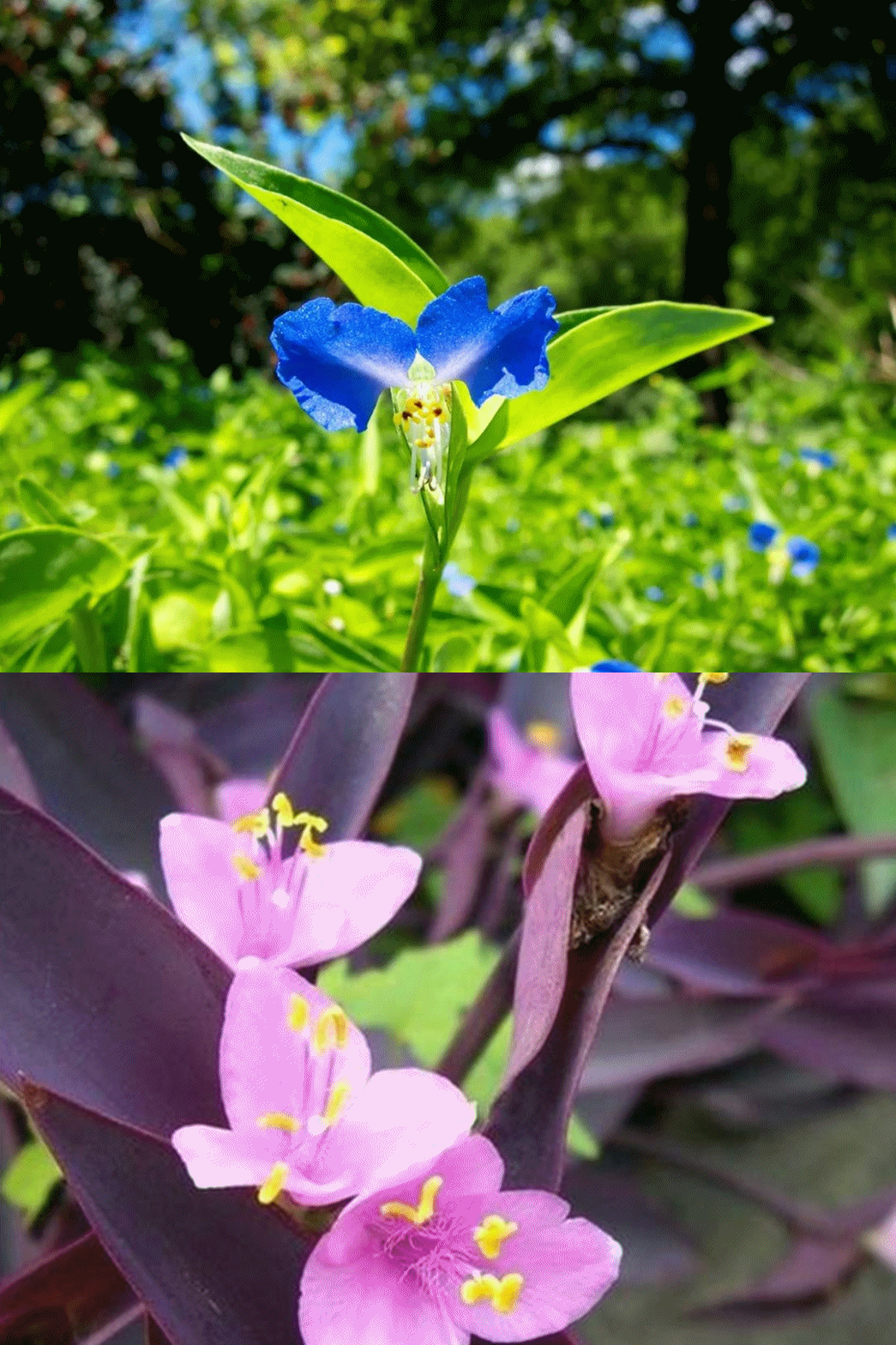
Annual herb, leaves lanceolate to ovate-lanceolate, alternate, stoloniferous. The flowers come out blue (the upper two petals are blue, the lower petal is white, and the buds are bud-shaped and green) as inflorescences, terminal or axillary. This model also has Commelina purple, which is dark purple and has pink flowers.
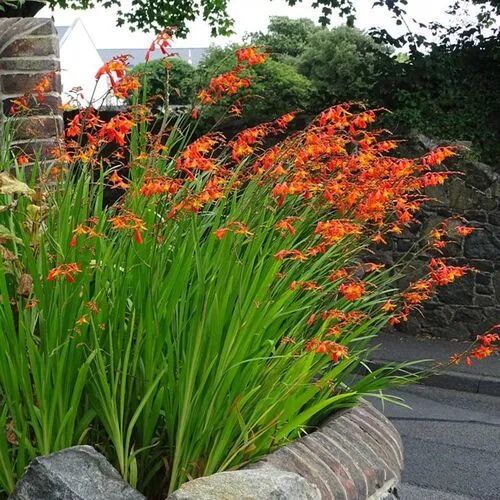
Perennial herbaceous plant with bulbs (oblate with brown fibrous membrane outside) and stolons. The bulbs resemble water chestnuts. The leaves are linear sword-shaped, the flowers are funnel-shaped, orange-red, and the horticultural varieties are red, orange and yellow, arranged into complex panicles, drawn from the lush green leaves, with scattered heights and uniform density.
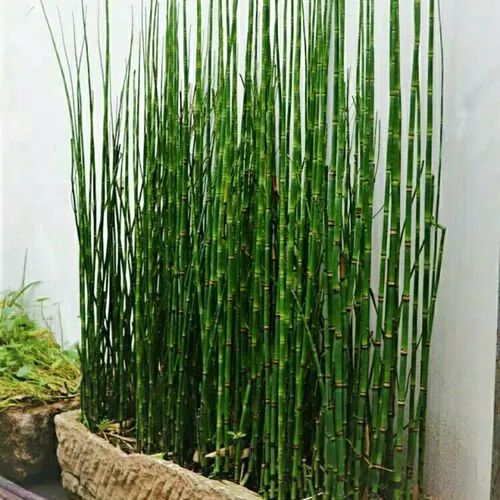
Evergreen herb, stems erect, single or branched only at the base, 6-8 mm in diam., hollow, knotted, surface gray-green or yellow-green, with 0-30 longitudinal ridges and gullies, rough.
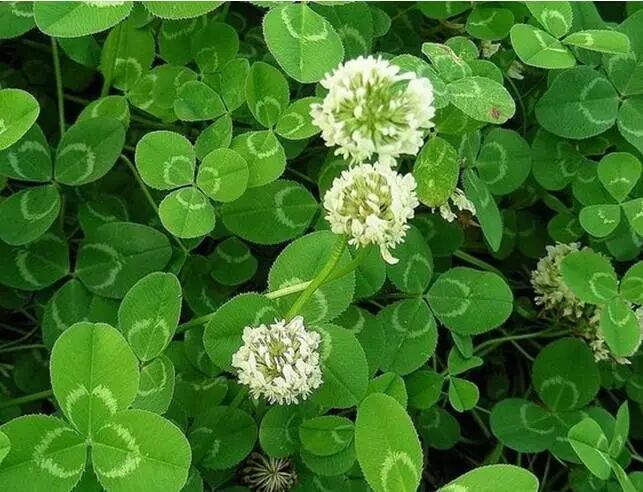
Perennial herb, pinnate with three compound leaves, stipules ovate-lanceolate, terminal inflorescences spherical, white, creamy yellow or reddish.