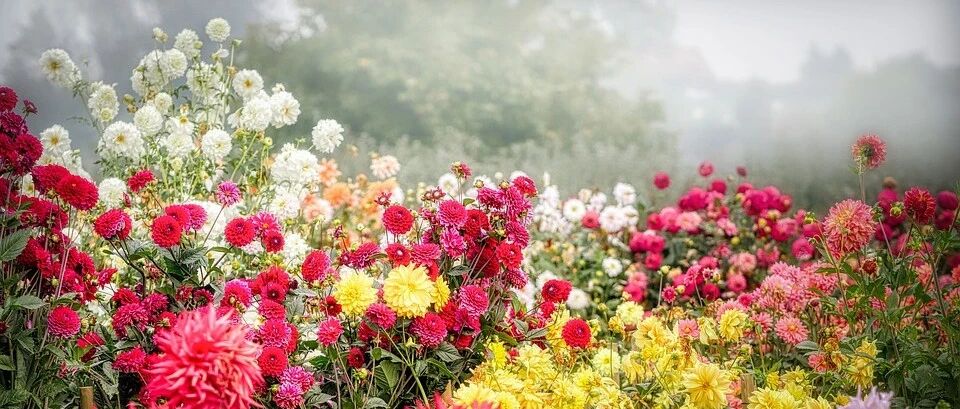
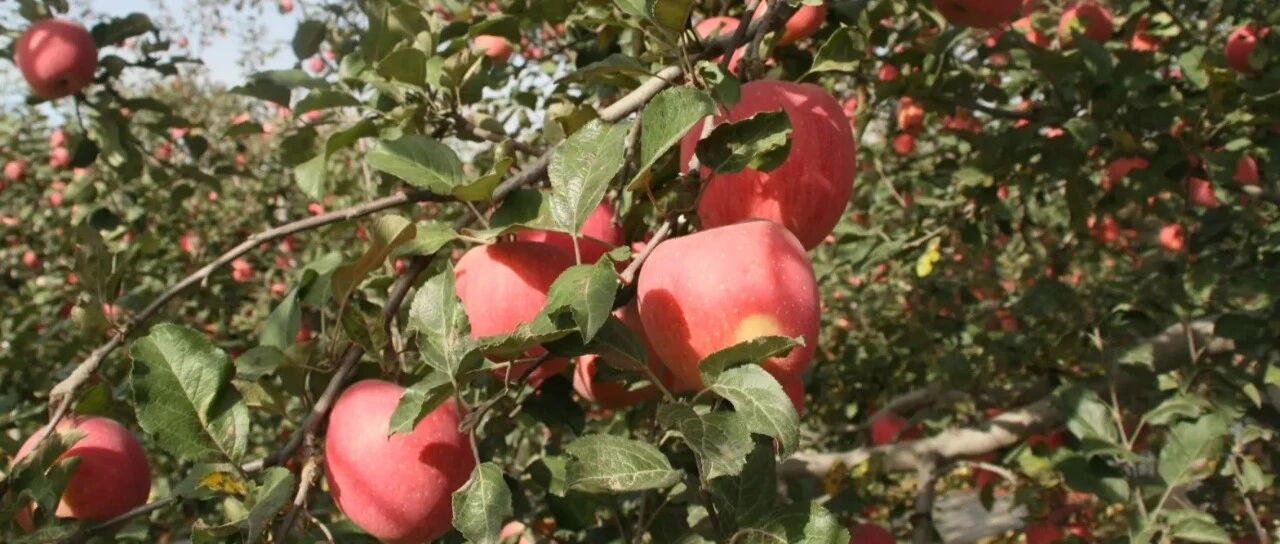
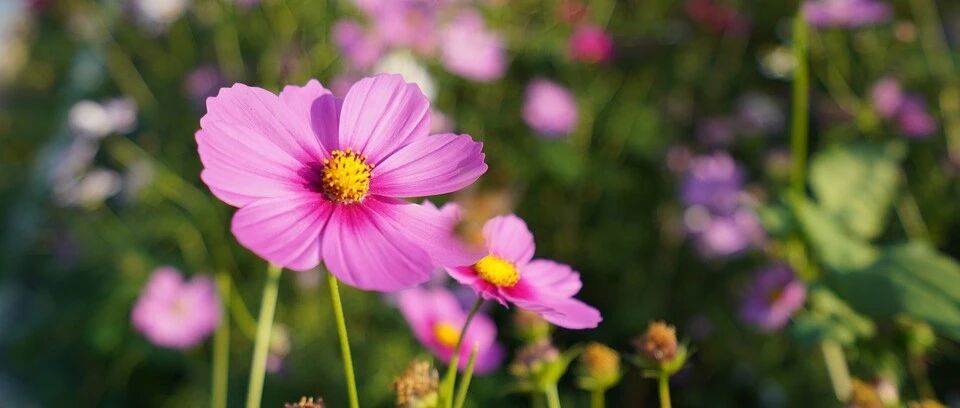
"Originally, mountains and rivers, extreme grass and trees", every grass and tree has its use. However, there are thousands of vegetation in the world, but few can be called famous. Especially those flowers, plants and wild fruits that are common on the roadside in Shan Ye, this article lists 40 kinds of pictures and titles, so as to help you increase your knowledge!
1. Native ginseng
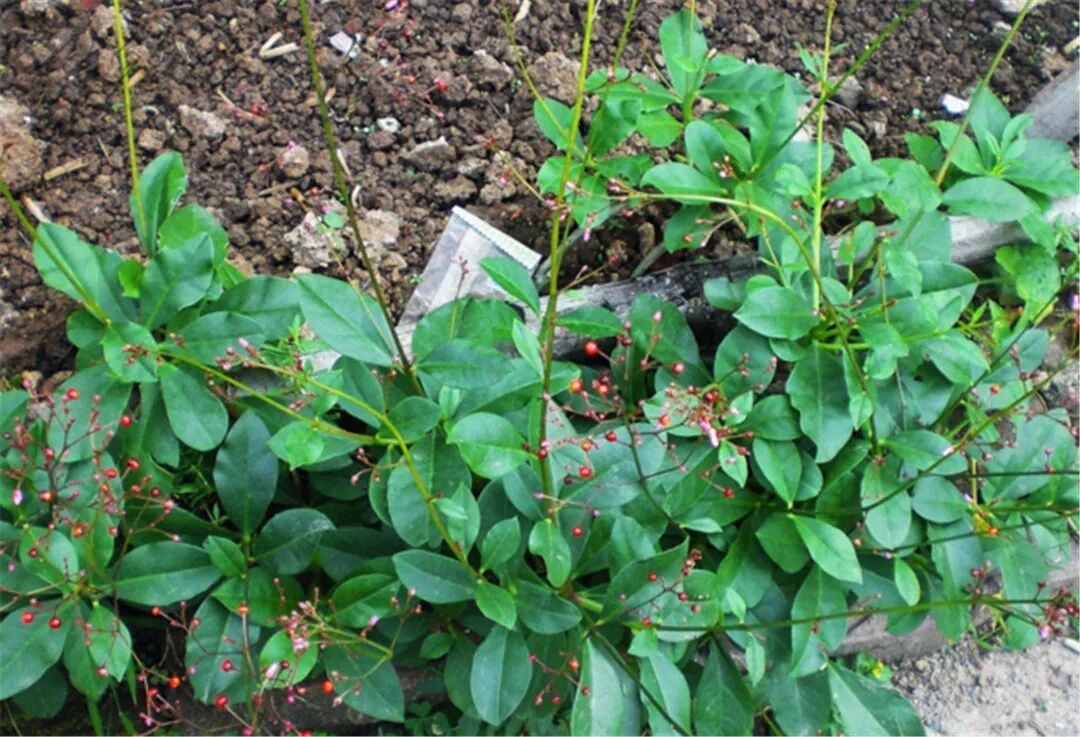
Native ginseng is not true ginseng, it is a common annual herb of the Portulaca family. But underground, there are rhizomes very similar to ginseng, hence the name.
The tender leaves of native ginseng are edible, which is "ginseng vegetable". Its rhizomes can be used to stew pork ribs soup and can also be used as medicine.
2. Mugwort leaves
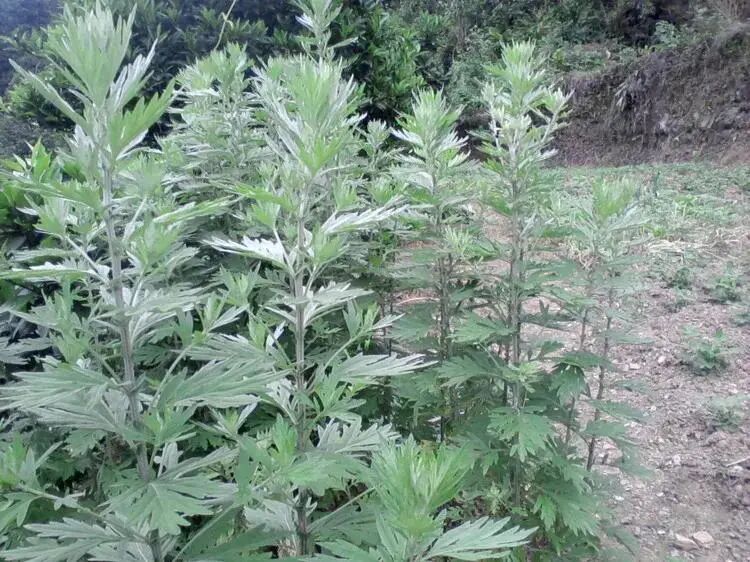
Also called wormwood, a plant in the family Compositae. It is the plant used in moxibustion.
In the past, it was very common for rural women to collect this kind of grass to dry in the sun, in case someone needs it.
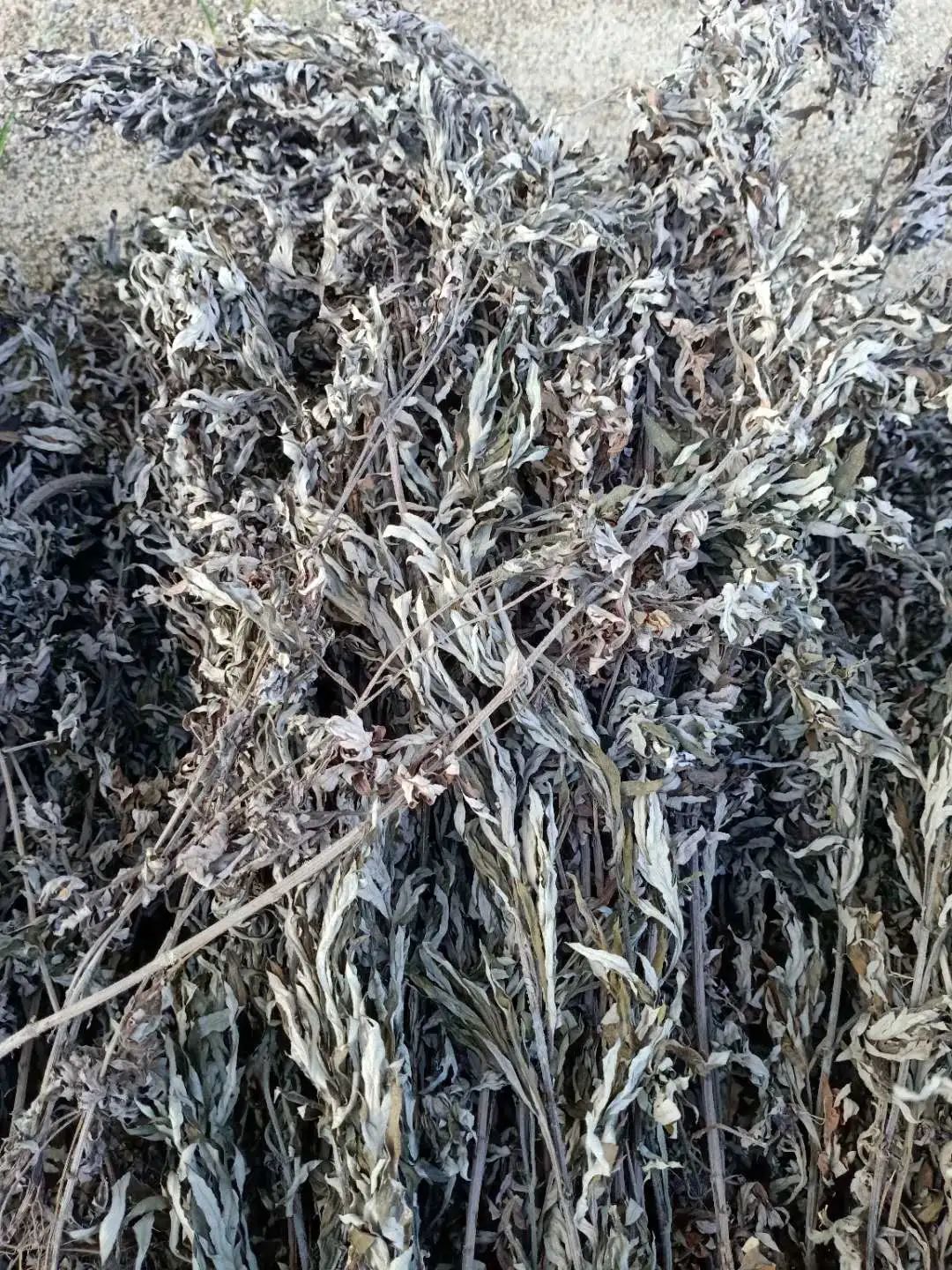
The common usage is to boil water with dried mugwort leaves, let it cool, and then bathe the parturient, wipe the body or clean the lochia.
I also use mugwort leaves to boil eggs and eat them, but here I would like to remind everyone: mugwort leaves are slightly poisonous, so be careful when eating more.
3. Toad grass
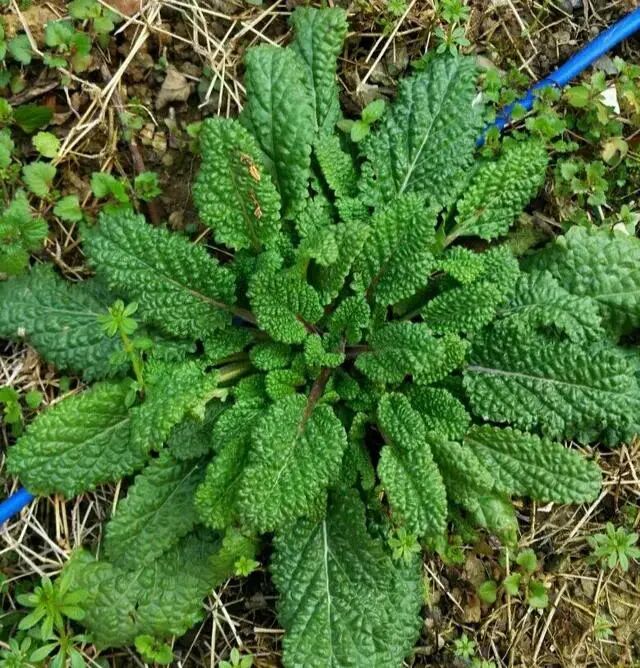
Toad grass is also very common. The plant is not tall and grows on the ground. It is characterized by wrinkled leaves, which resemble toad skin. Also called "snow primrose" and "wrinkled fur", it can Relieving cough and asthma, anti-inflammatory and analgesic , has certain medicinal value.
4. Eugenia japonica
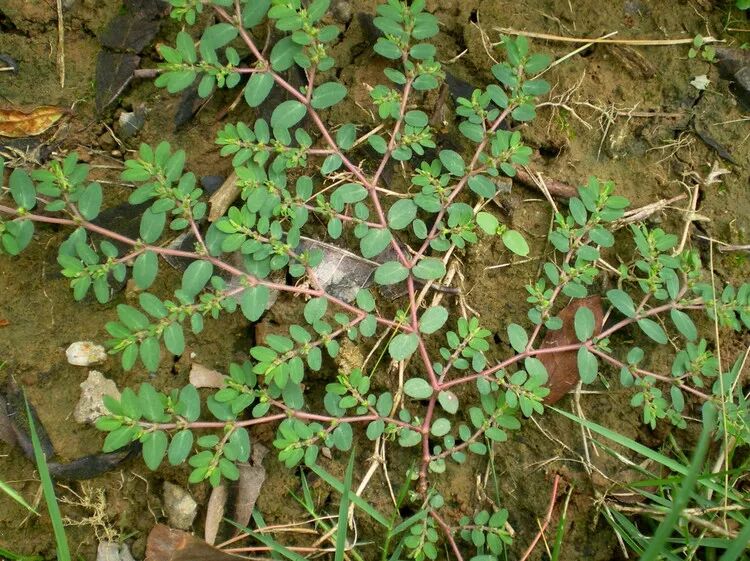
Another name: Blood See sorrow. The branches and stems of Eugenia japonica grow slender and close to the ground, and white and slightly viscous slurry water emerges after cutting off the leaves and stems. Purslane generally has more branches and stems than Blood Seeing that the sorrow is several times to dozens of times thick, and there is no white slurry water coming out after cutting off the branches and leaves!
5. Radix purpurensis
The most common ones are purple red, which bloom in patches, and pure white flowers and yellow flowers.
Can be eaten steamed. The operation is very simple. The steps are the same as steaming other dishes. Put some oil and then flour. The steamed dishes are not sticky and have a good color.
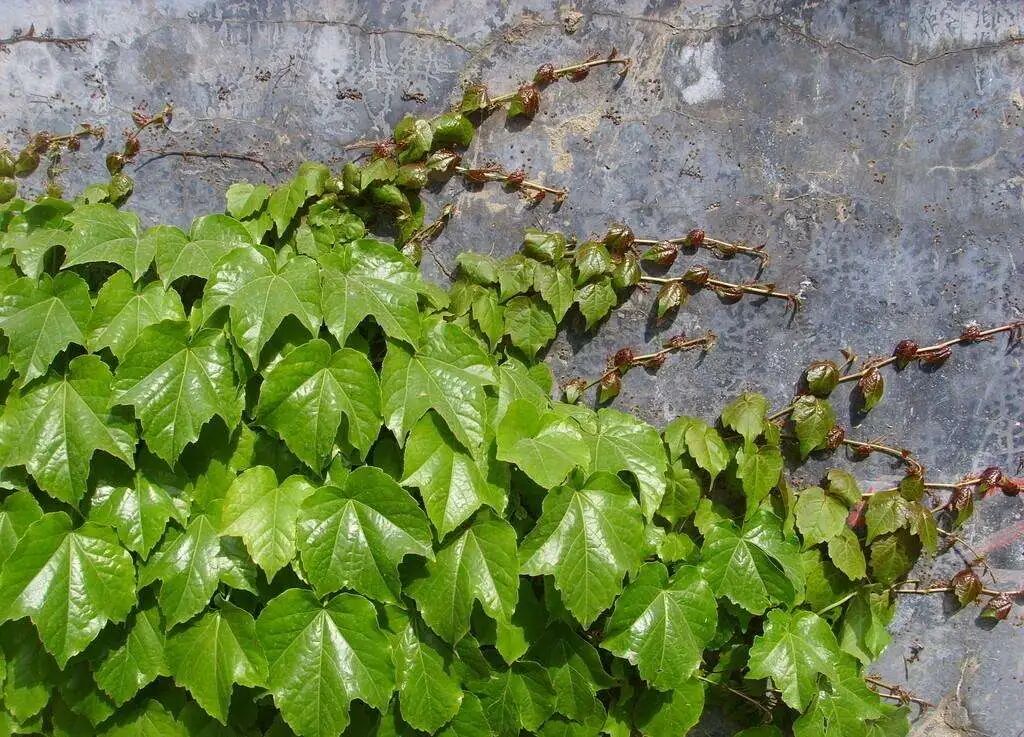
Don't think that it looks good to climb Parthenocissus tricuspidata all over a wall. Its root system destruction ability is particularly strong.
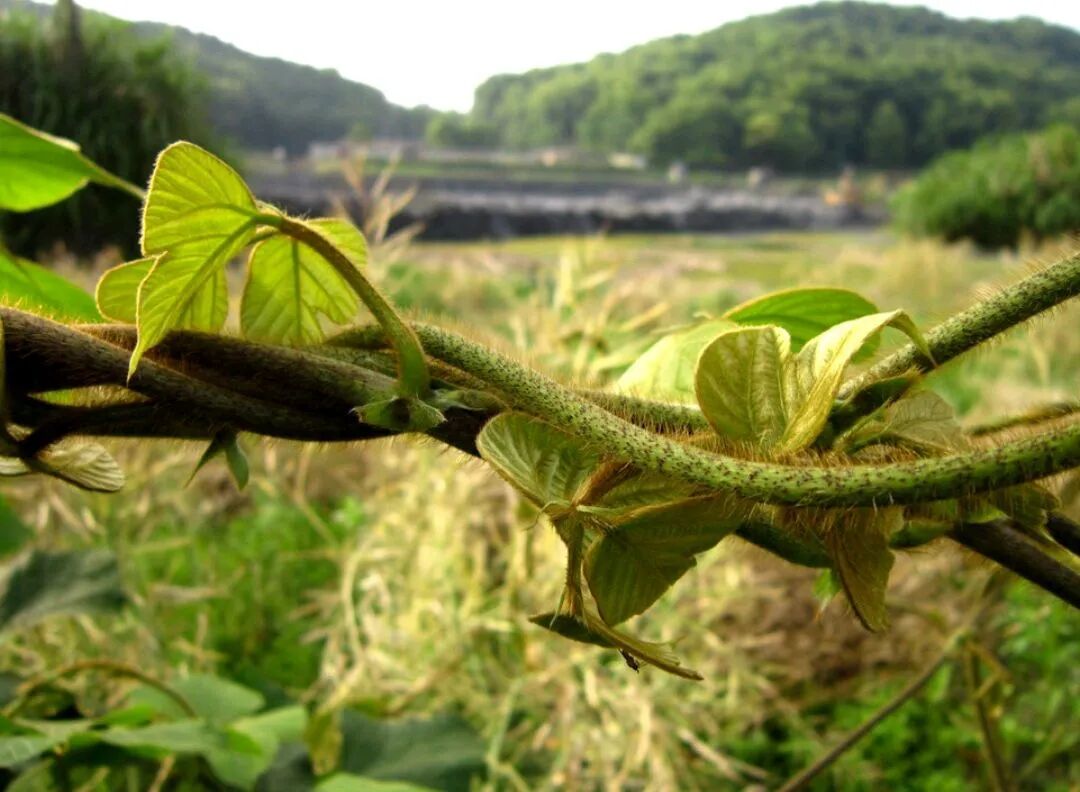
A common vine whose roots are used to make kudzu powder.
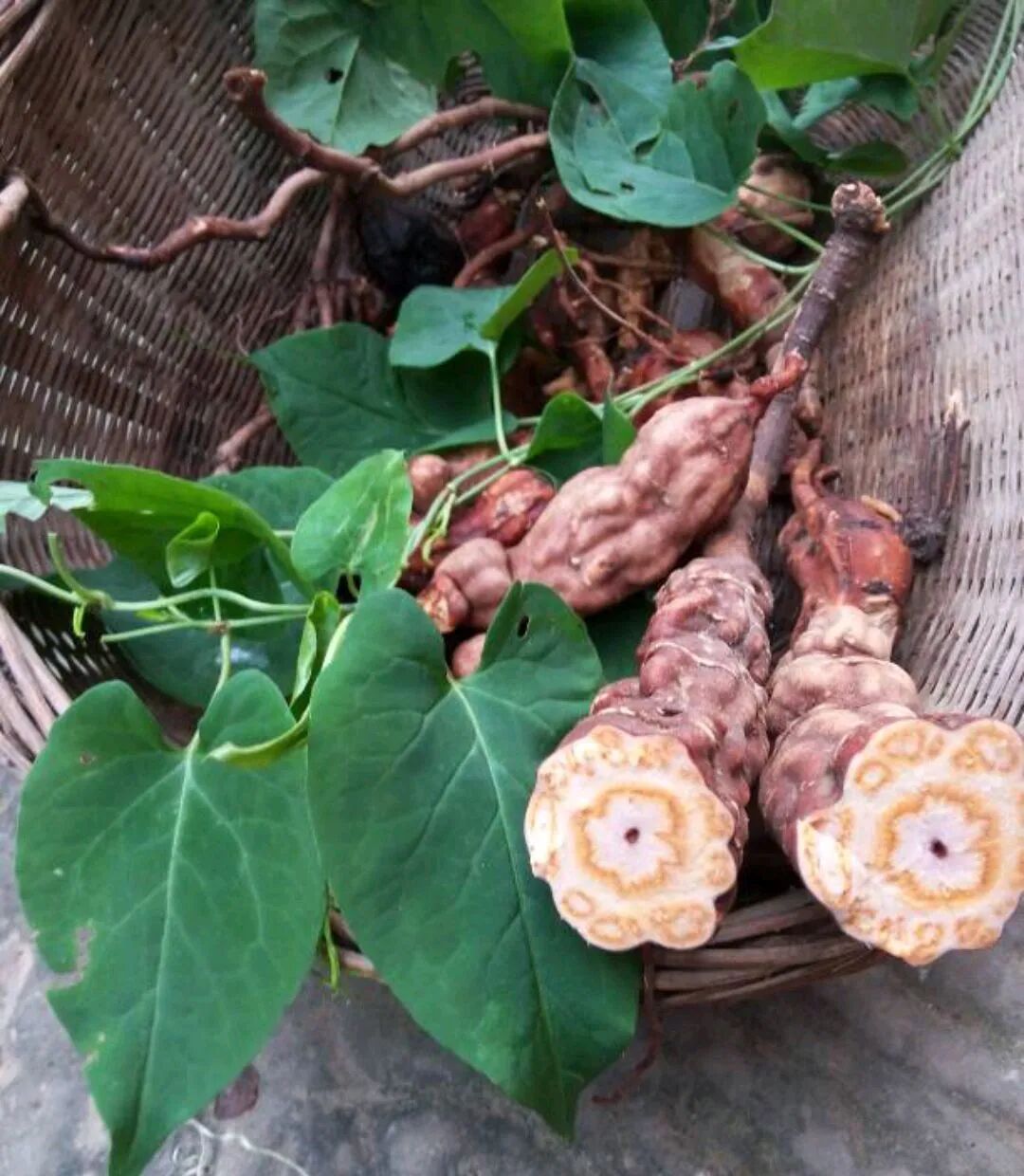
Vine plants, roots can be used as medicine, which can detoxify, blacken hair, resist oxidation and cure sores.
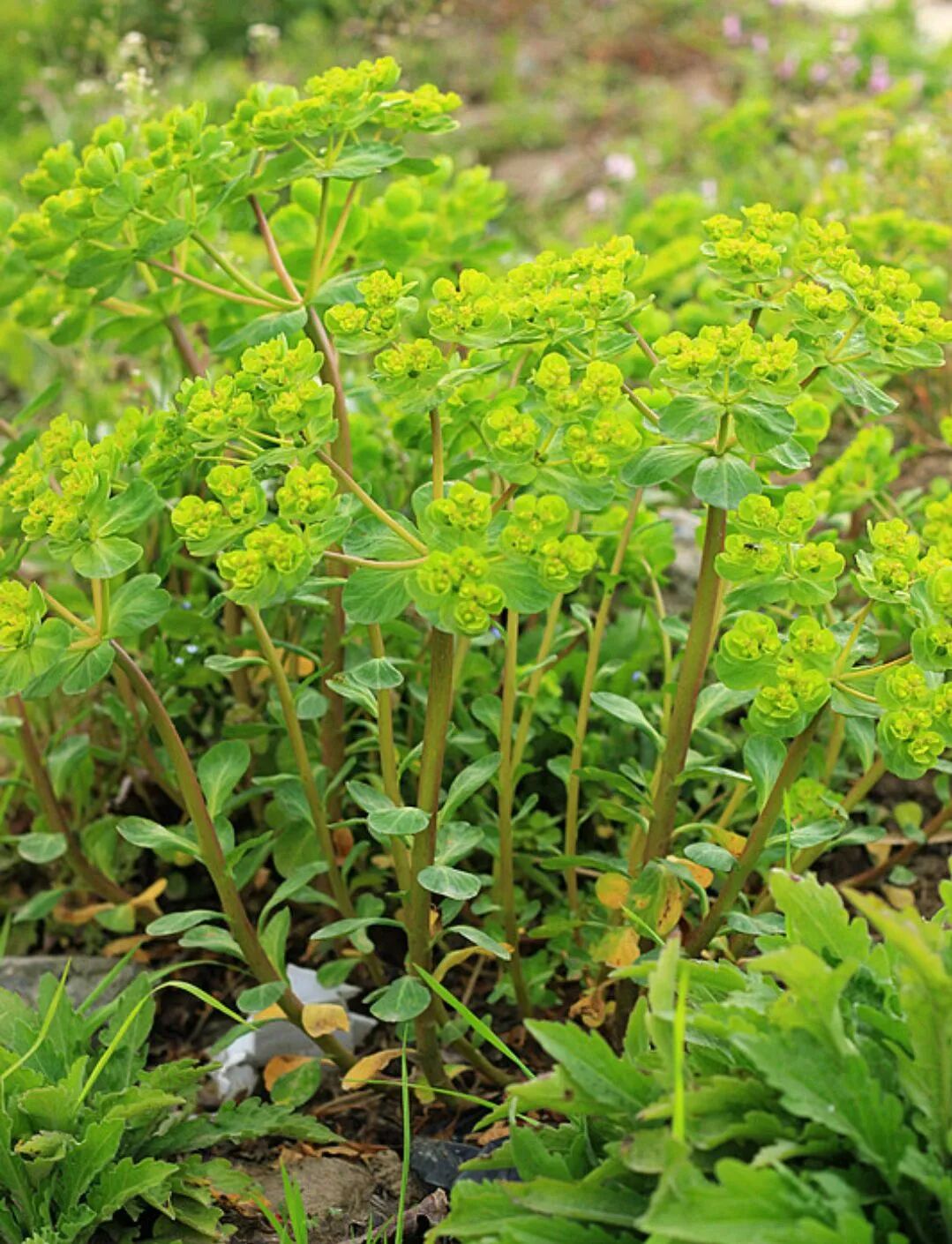
Some places are called cat's eyes. I remember when I was a child, two female classmates applied the juice of this grass, saying that it could be beautiful. The faces of these two female classmates were swollen like steamed buns, and it took several days to reduce the swelling. Therefore, the teacher in the school also gave us a special meeting to say that this kind of grass is poisonous, so don't apply it to your body.
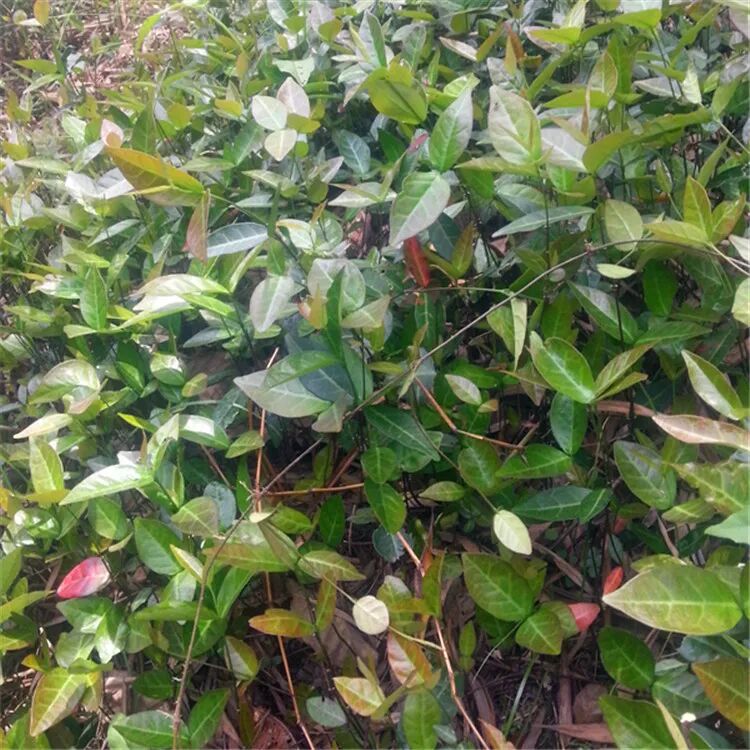
Shade-tolerant evergreen vines currently widely used as gardening flowers.
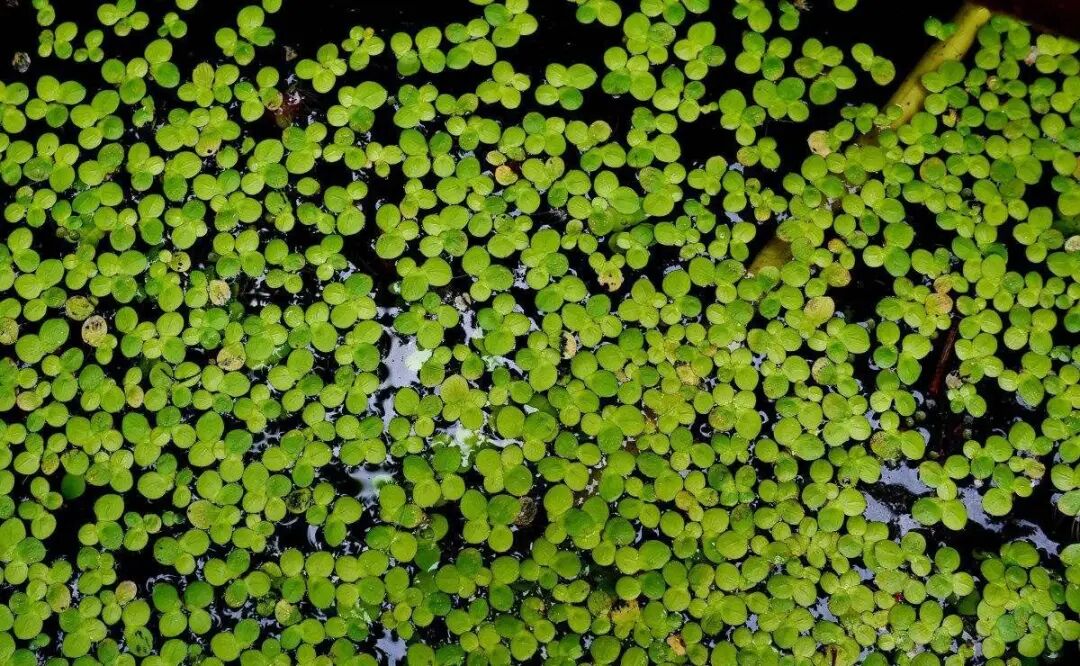
Duckweed is very reproductive, but ducks like to eat it.
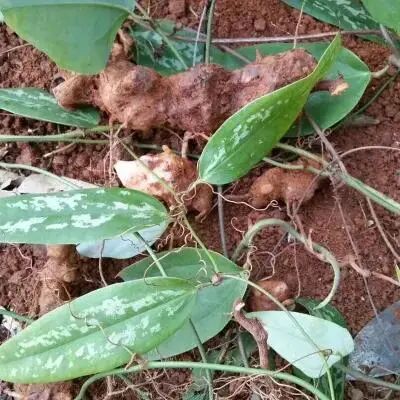
The roots of Poria cocos can be used as medicine and can remove humidity , detoxify, benefit joints.
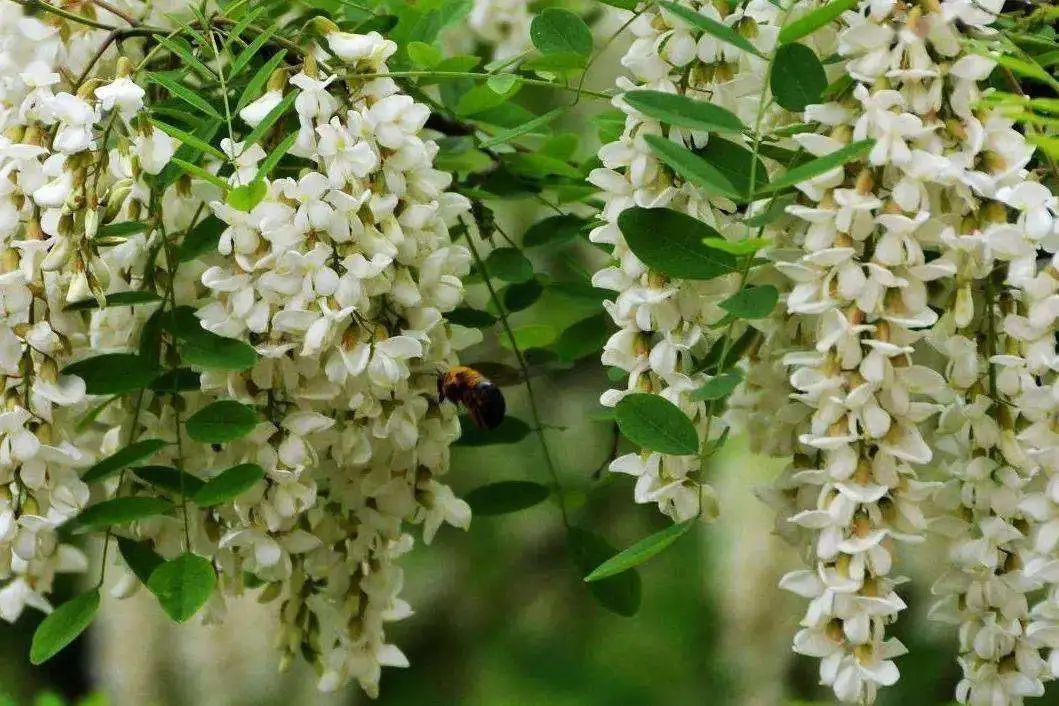
White, similar to wisteria flowers, but Sophora japonica flowers are edible.
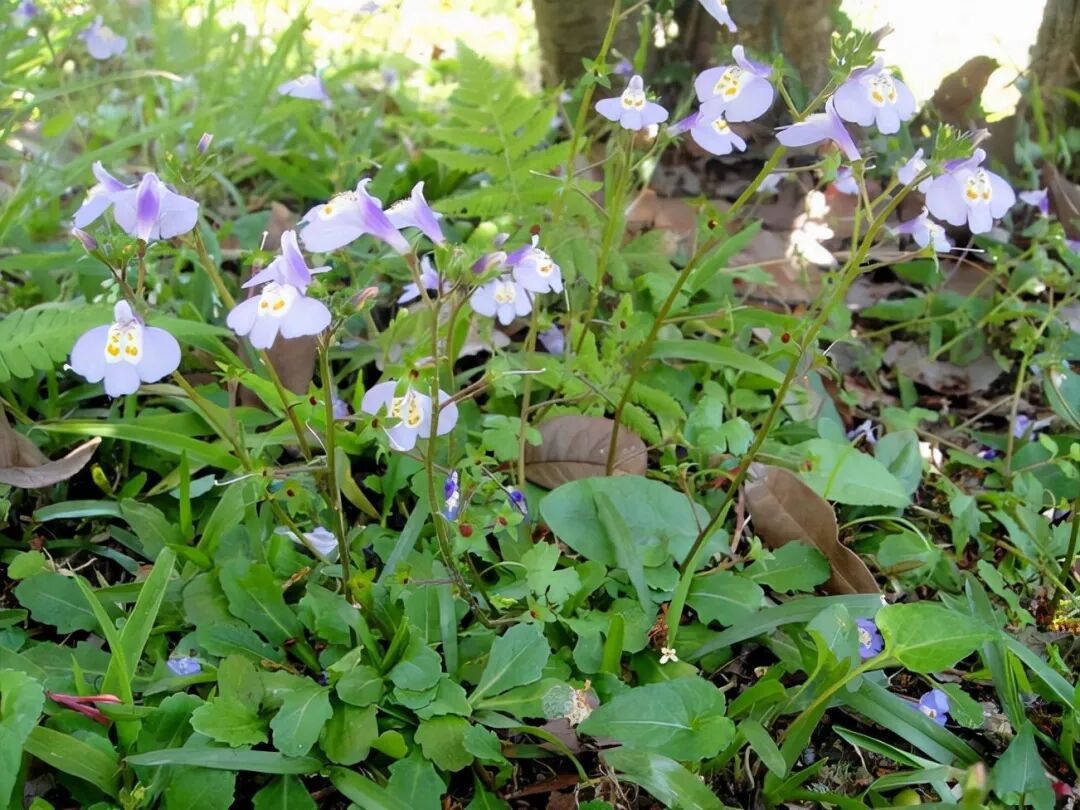
Also called Noda vegetable, goose intestine grass and cucumber fragrance. The whole plant can be used as medicine for relieving pain, strengthening the stomach, detoxifying and reducing swelling.
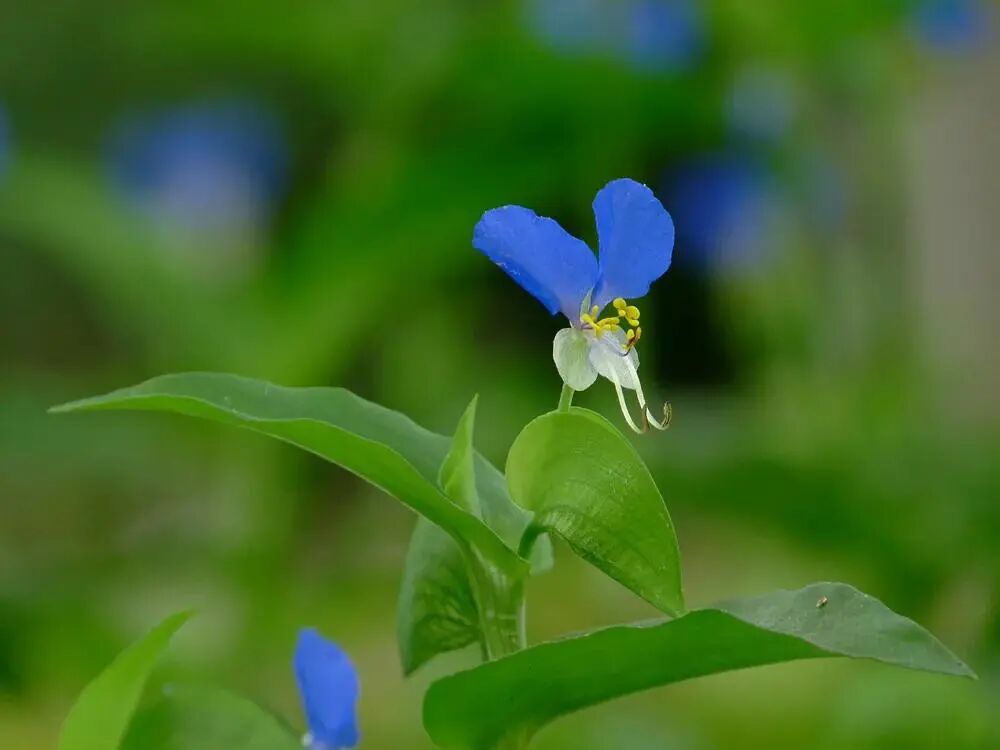
Although this little blue flower is pretty, it is a stubborn weed in the farmland.
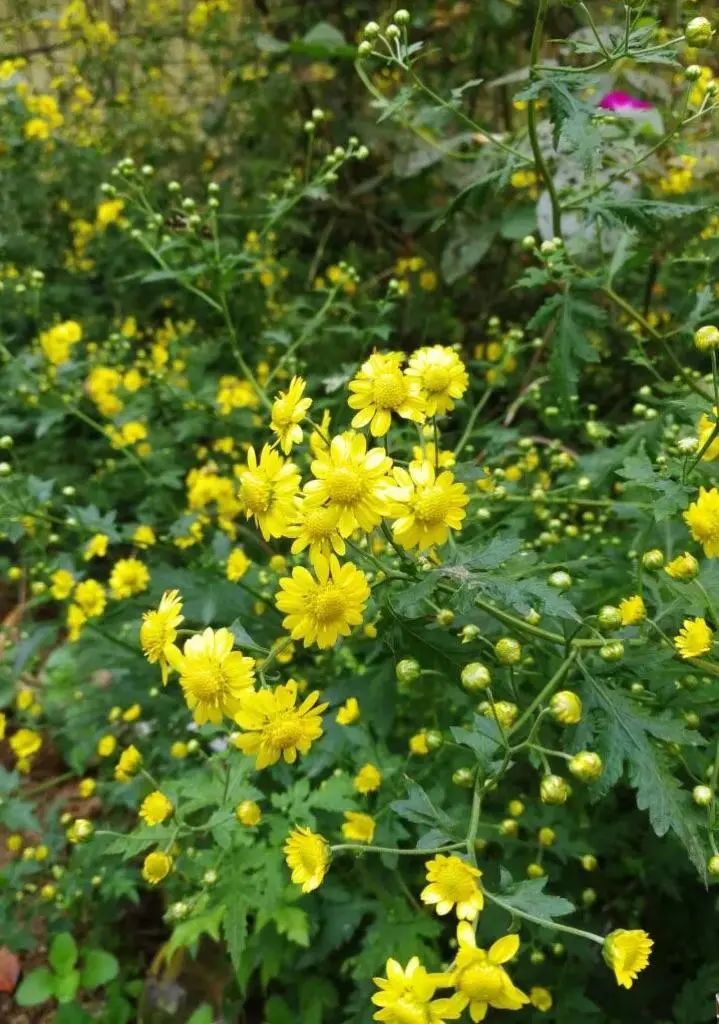
Yellow wild chrysanthemums can be picked and dried to make scented tea to clear away heat and detoxify.
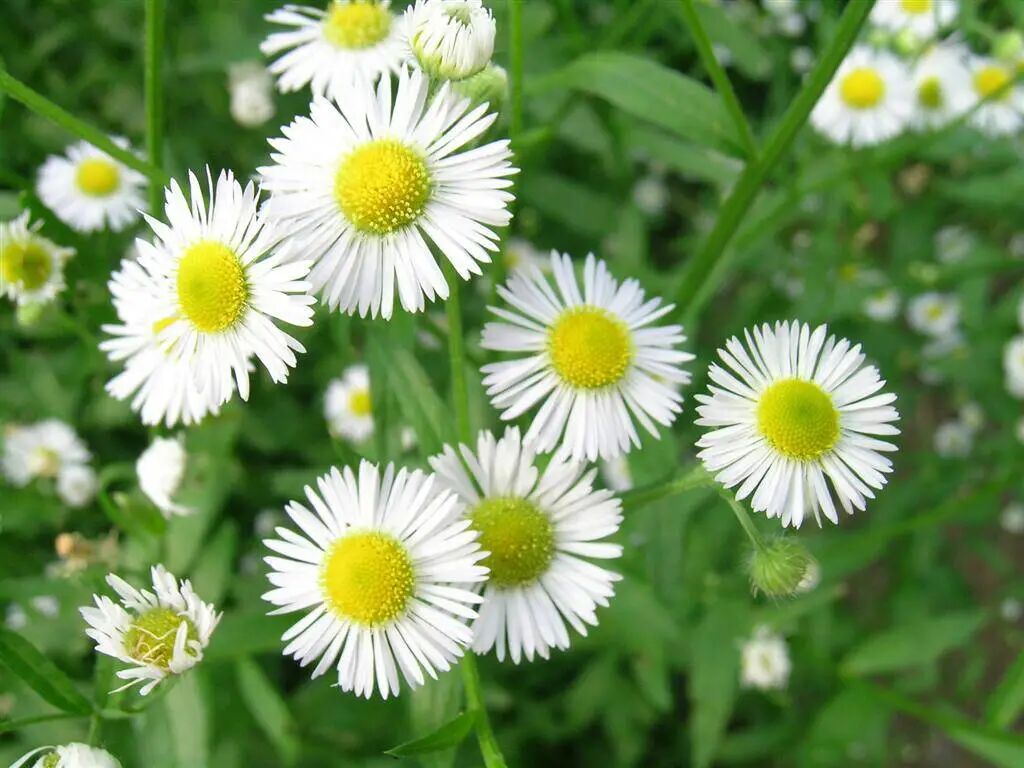
With white flowers, it is an invasive plant and can be troublesome to clean up.
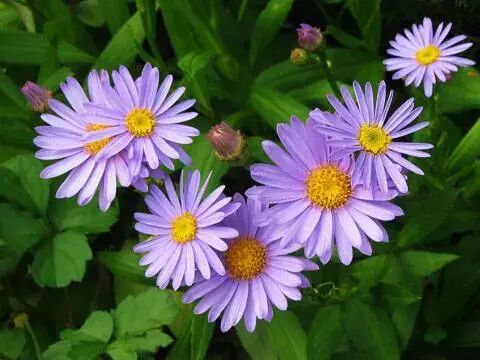
Wild chrysanthemum with small purple flowers.
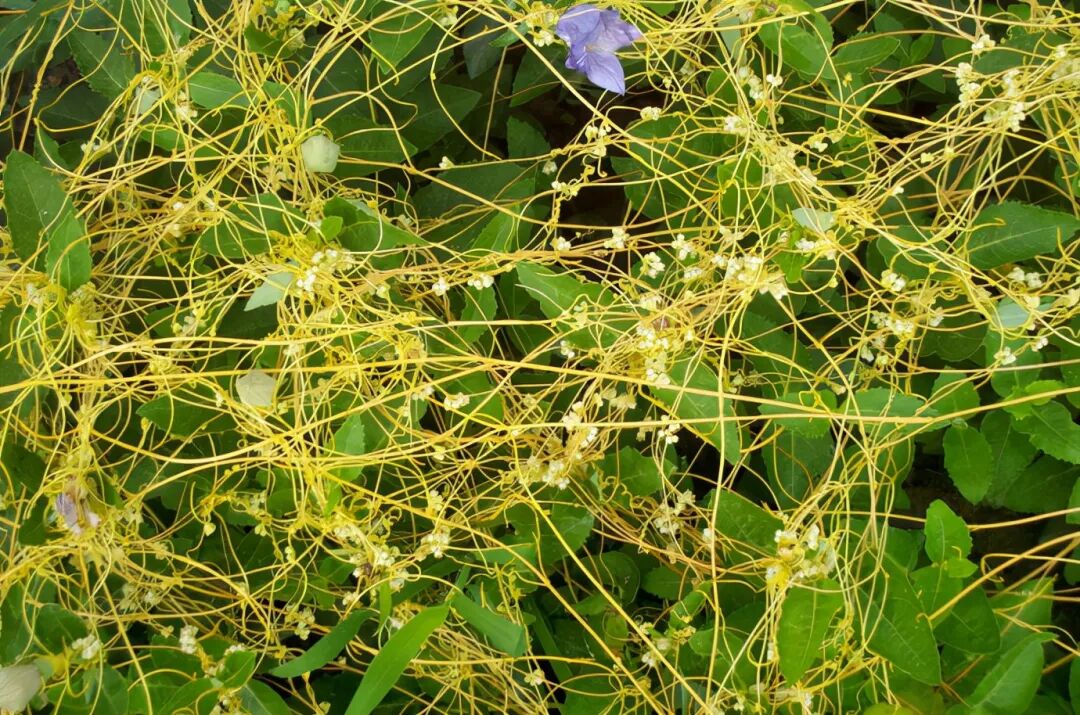
This plant can both survive on its own and be parasitic, usually entangling other plants and drawing nutrients to death.
But it is also a Chinese herbal medicine, which can tonify yang, tonify liver and kidney, relieve fetus and improve eyesight.
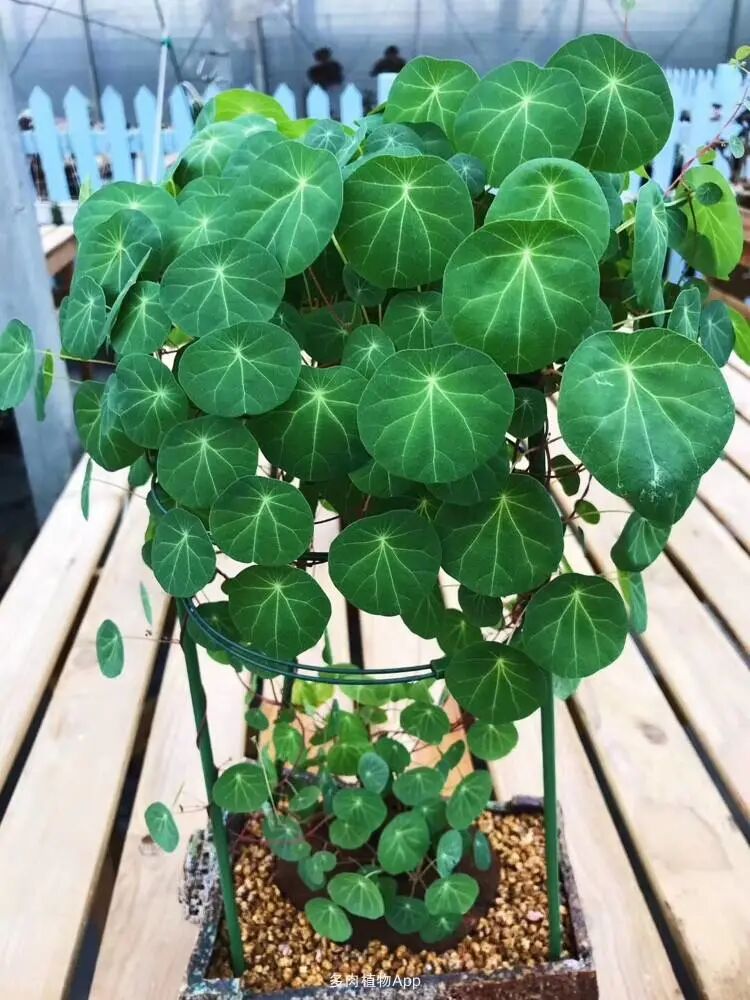
Mountain tortoise, now often used as a potted plant.
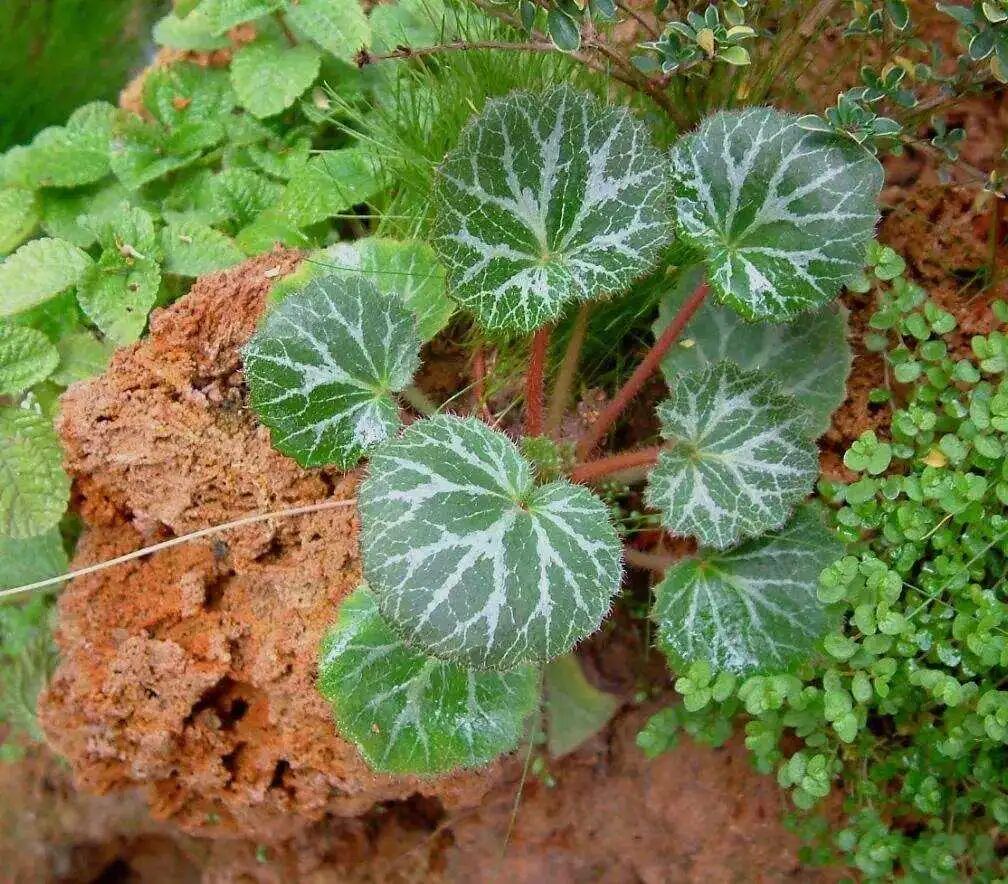
Saxifraga, can cure otitis media
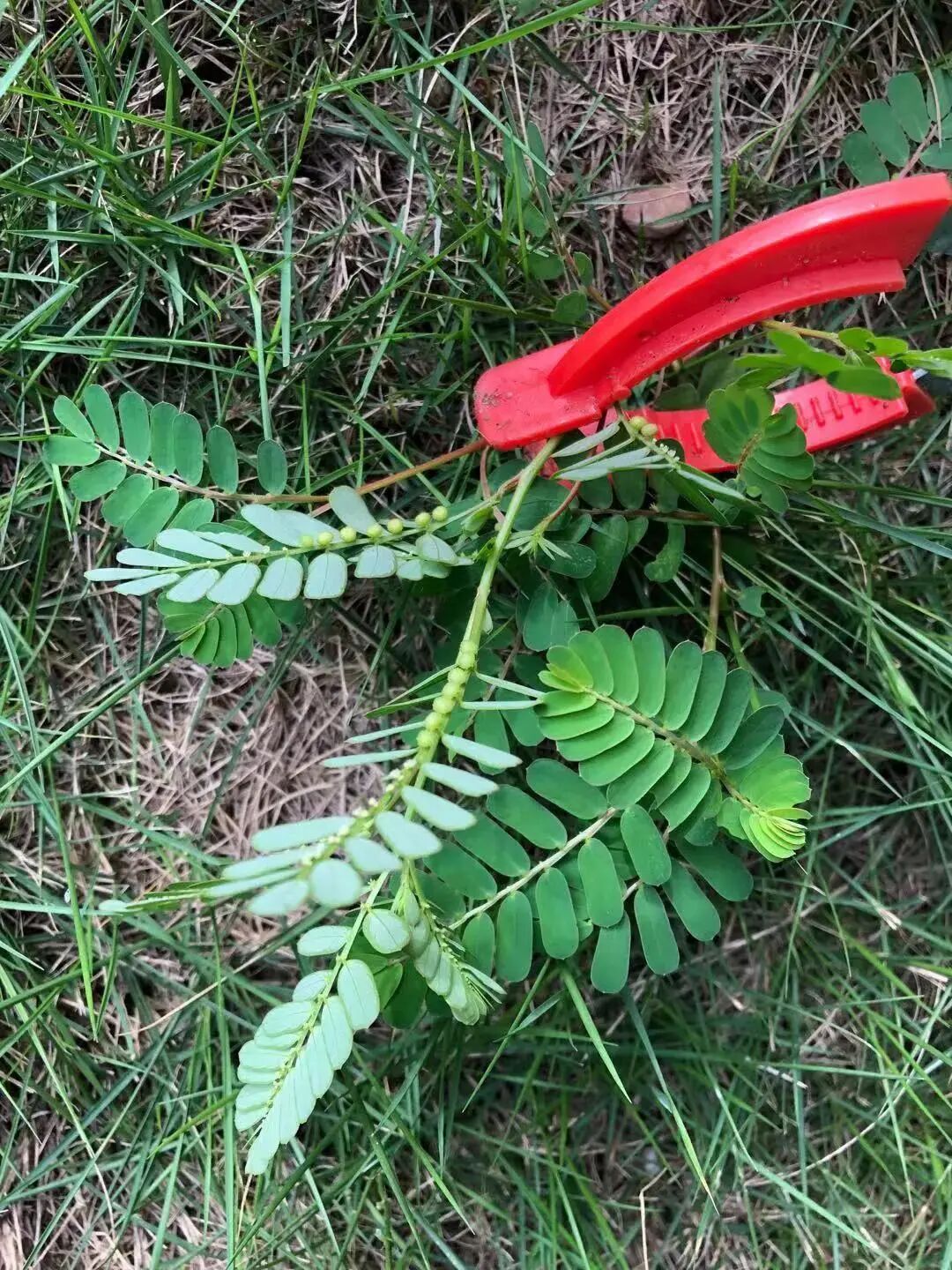
Under the leaves, round particles will grow, which are its fruits, and when they ripen, they will burst.
Its root can be used as medicine, which can dispel rheumatism, strengthen spleen and eliminate accumulation.
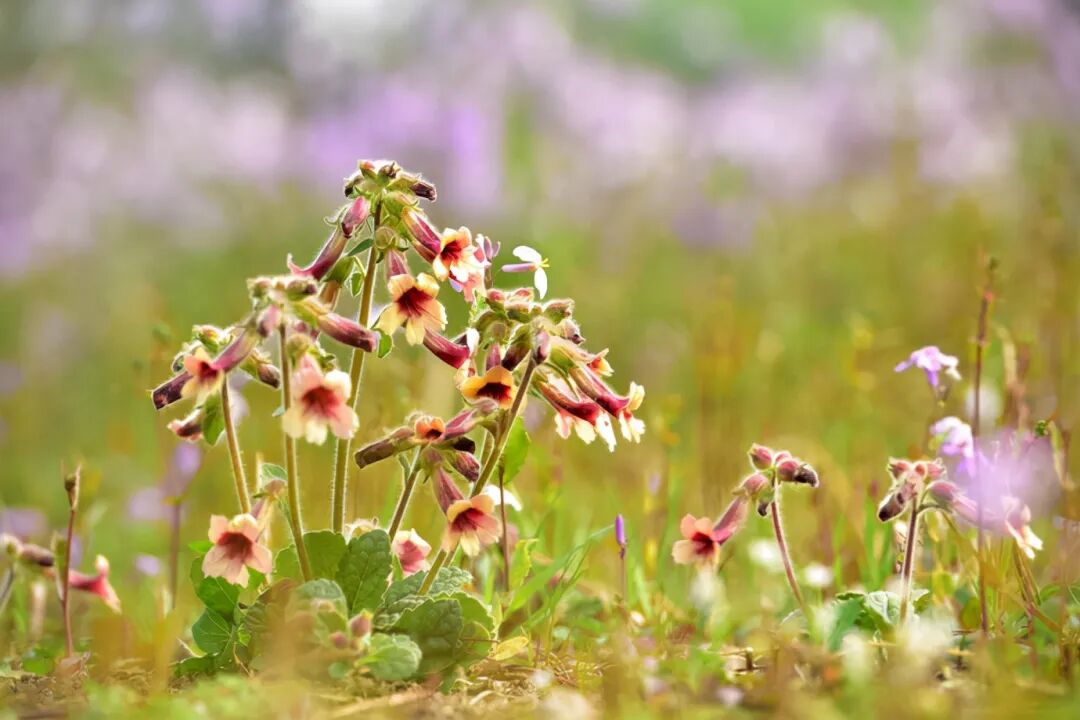
Rehmannia glutinosa, a famous Chinese herbal medicine, is a perennial herb that blooms every spring and summer.
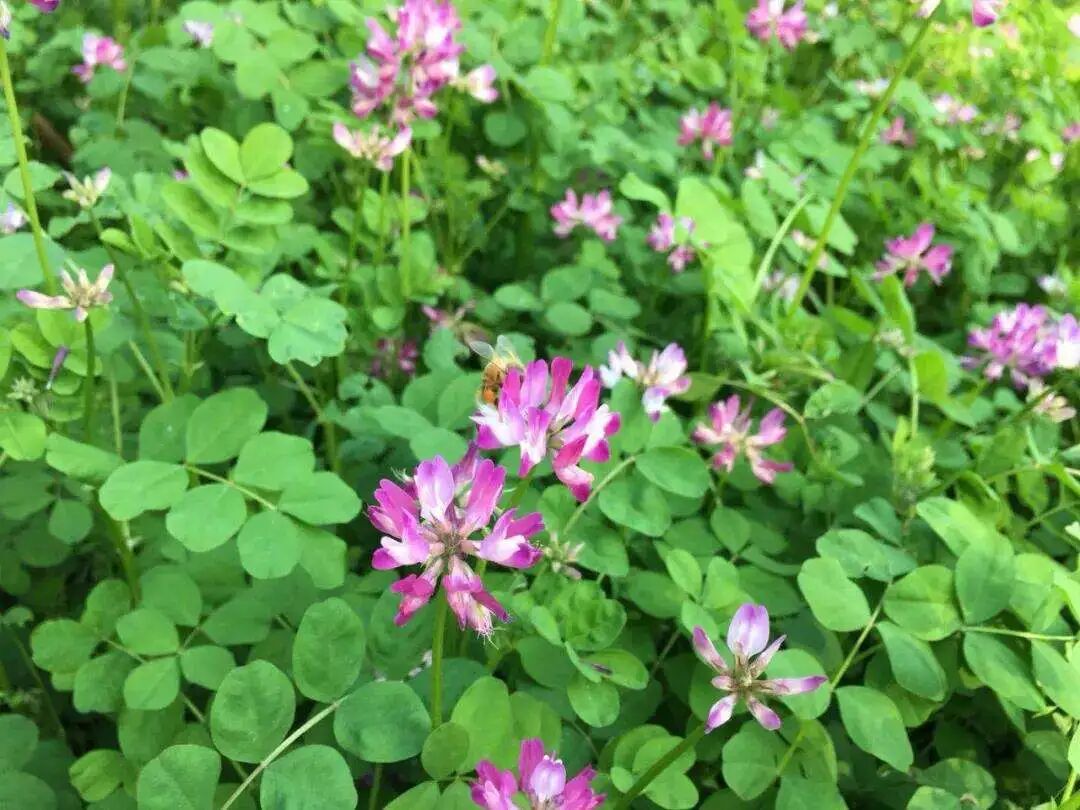
Vetch, a ground cover plant, blooms in pieces of purple-white flowers in spring, and is the former forage grass.
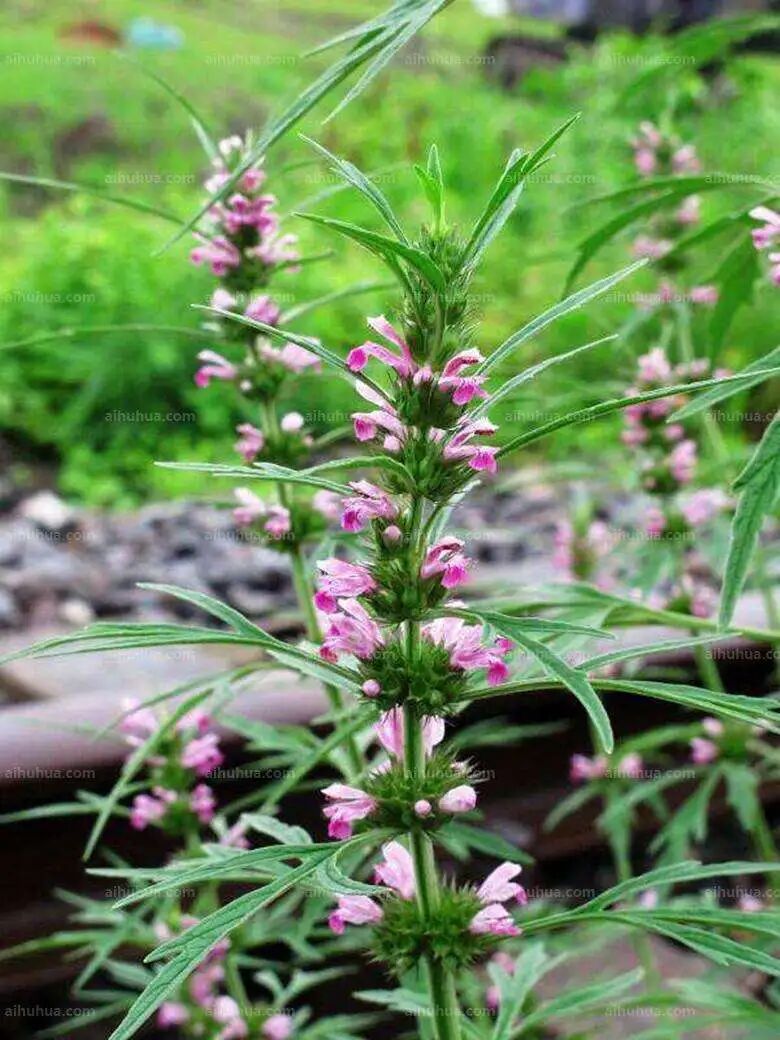
Motherwort, as you know by the name, is a good herb for female friends. It has been made into ready-for-use traditional Chinese medicine, which is a medicine that doctors must prescribe to women who are parturient or miscarried.
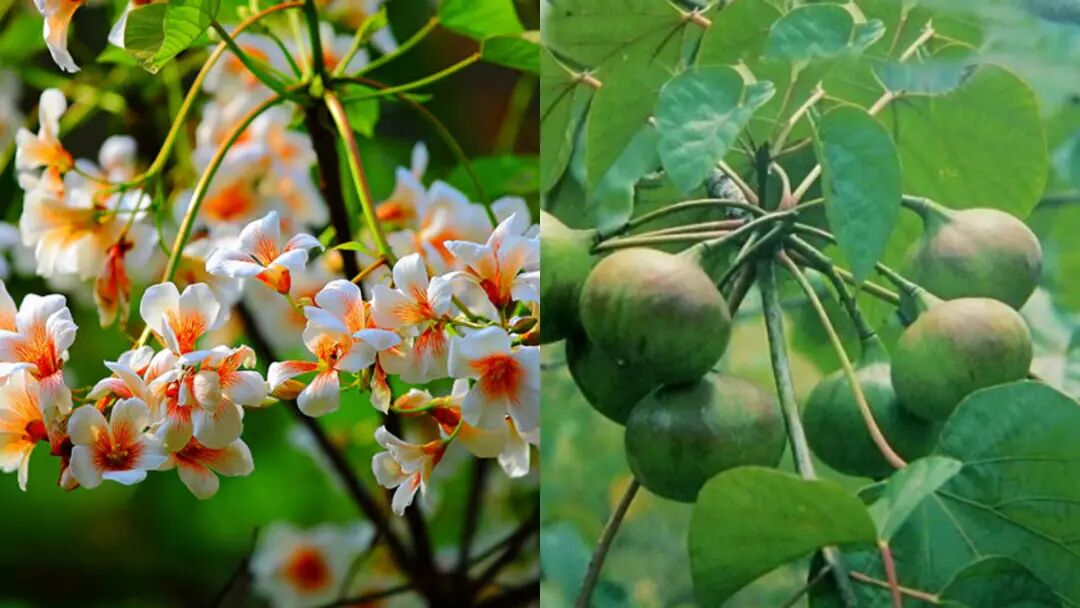
Tung flowers are very beautiful, and tung fruits can be extracted from oil and used as paint, but they are poisonous, so don't eat them indiscriminately.
27. Five-clawed golden dragon
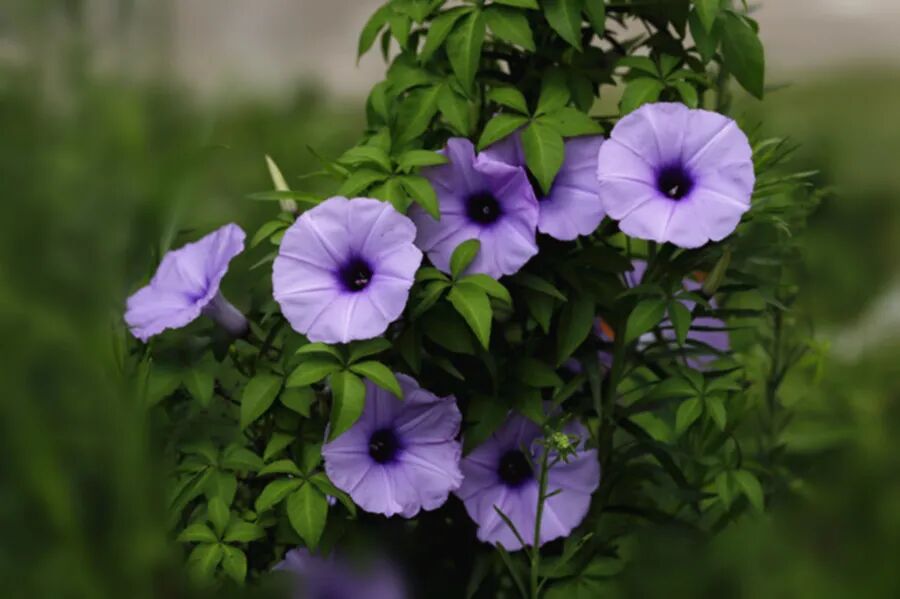
The five-clawed golden dragon flower is very similar to morning glory, but it is not a morning glory. It is also an invasive plant.
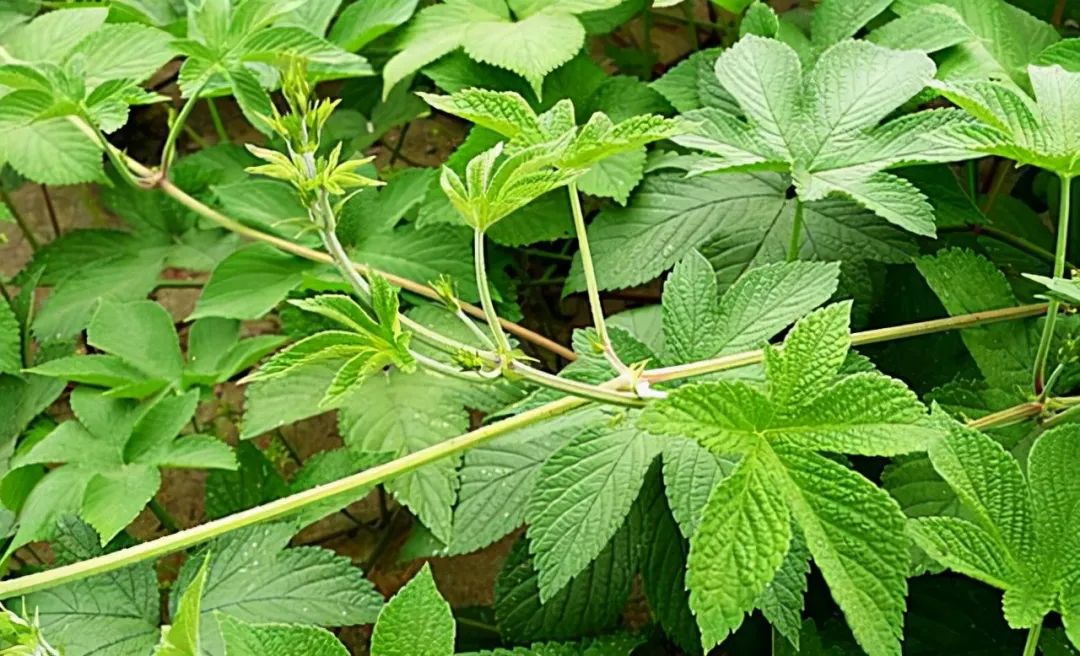
Also known as Lala vine, its branches and leaves have barbs, and it is an invasive plant.
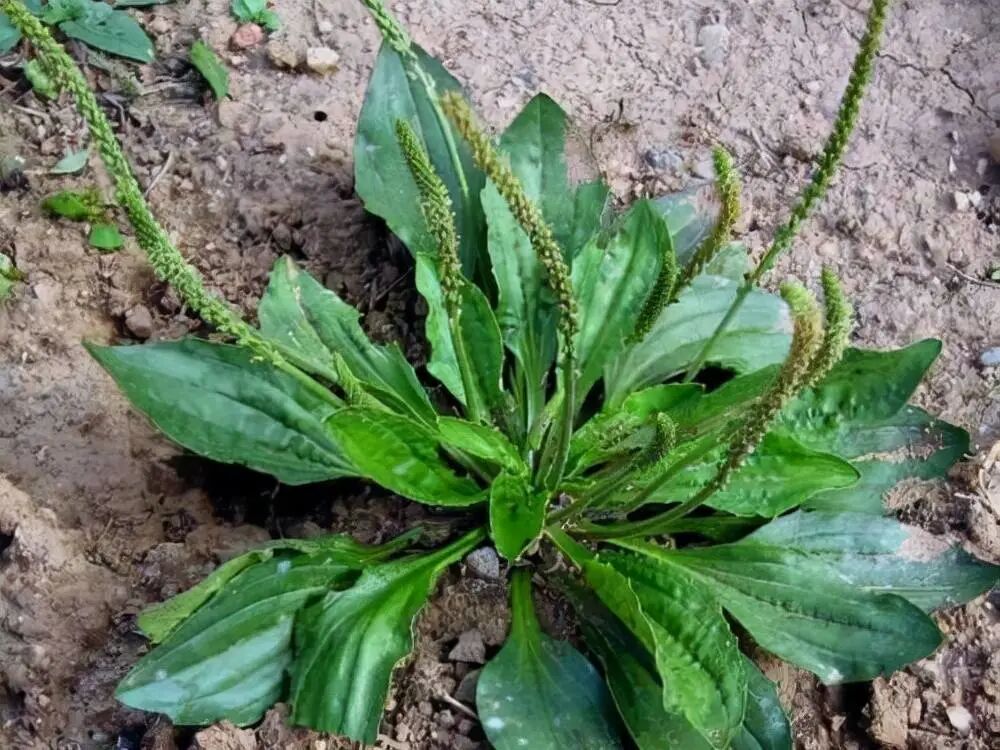
Plantain seedlings are used as wild vegetables, but they are still Chinese herbal medicines, which have antitussive, antiasthmatic, expectorant and lung-benefiting effects.
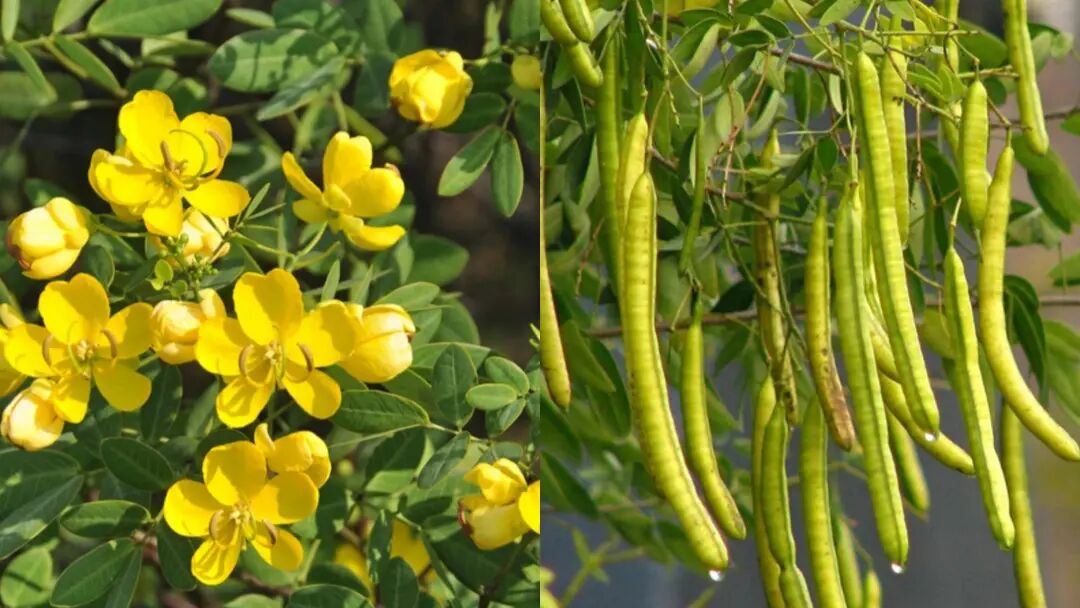
This kind of plant with yellow flowers is common on the roadside, but everyone certainly doesn't know that it is Cassia seed. When it grows into long pods, the beans inside are cassia seeds.
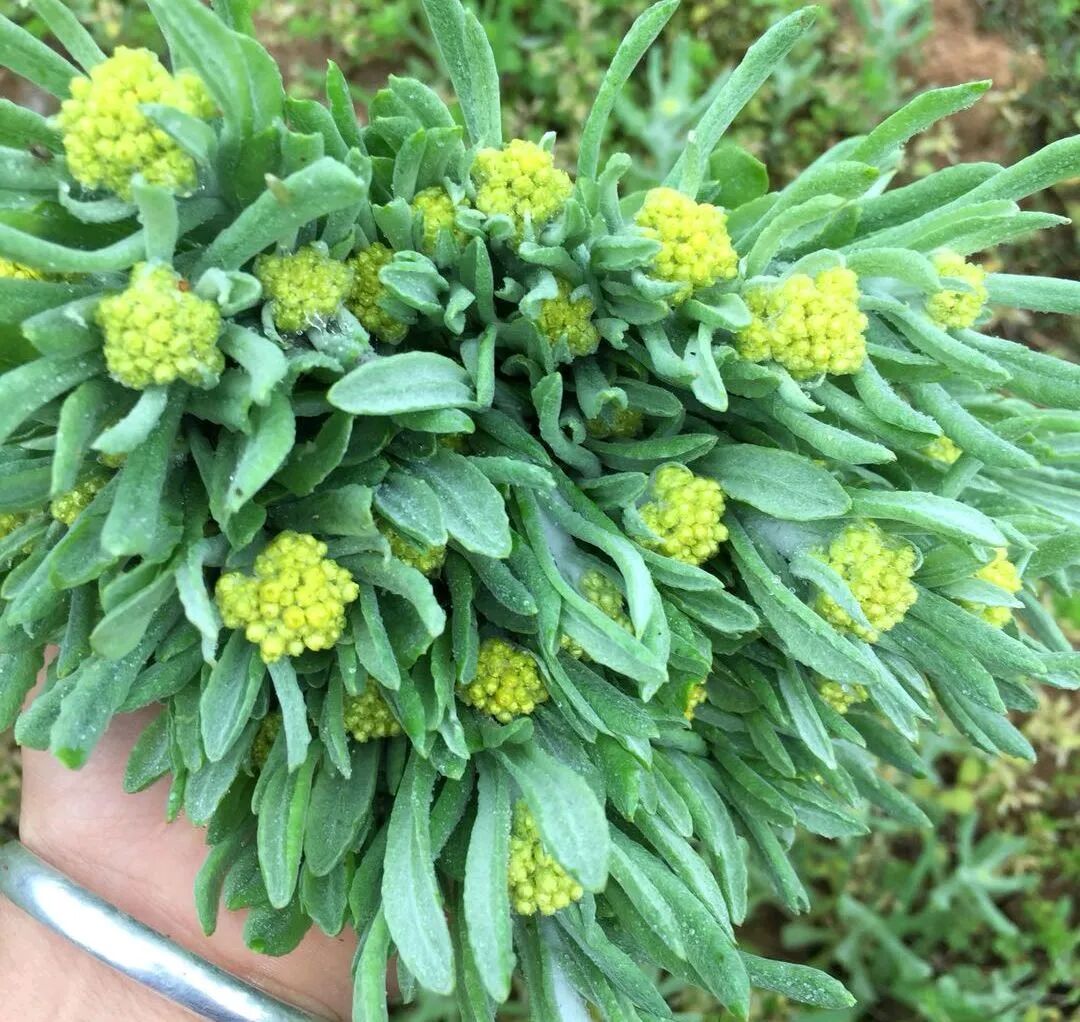
Also known as Qingming grass, it is a material used to make Qingming Baba.
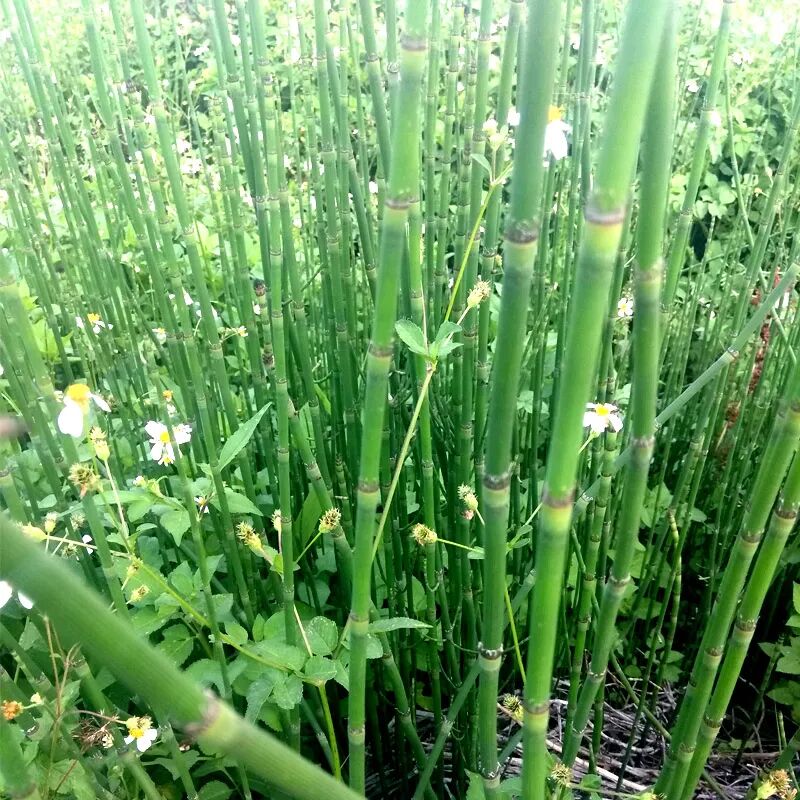
Alias Equisetum, Ephedra, perennial herb. It has the effect of dissipating wind and heat, but the whole plant is poisonous, so it must not be used indiscriminately.
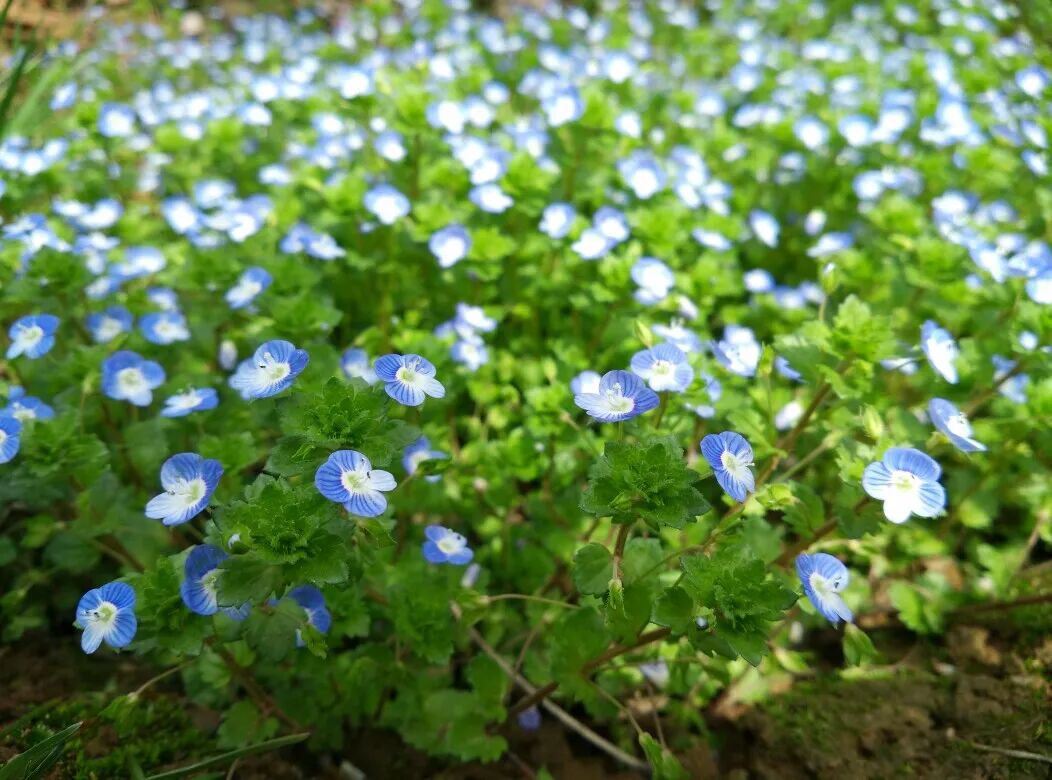
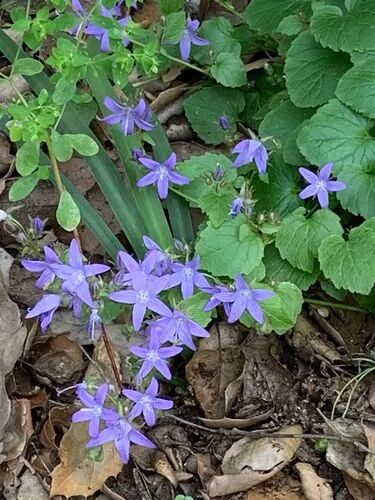
Also called Arabian mother-in-law, it is a kind of ground cover plant with small light blue flowers, dotted with stars.
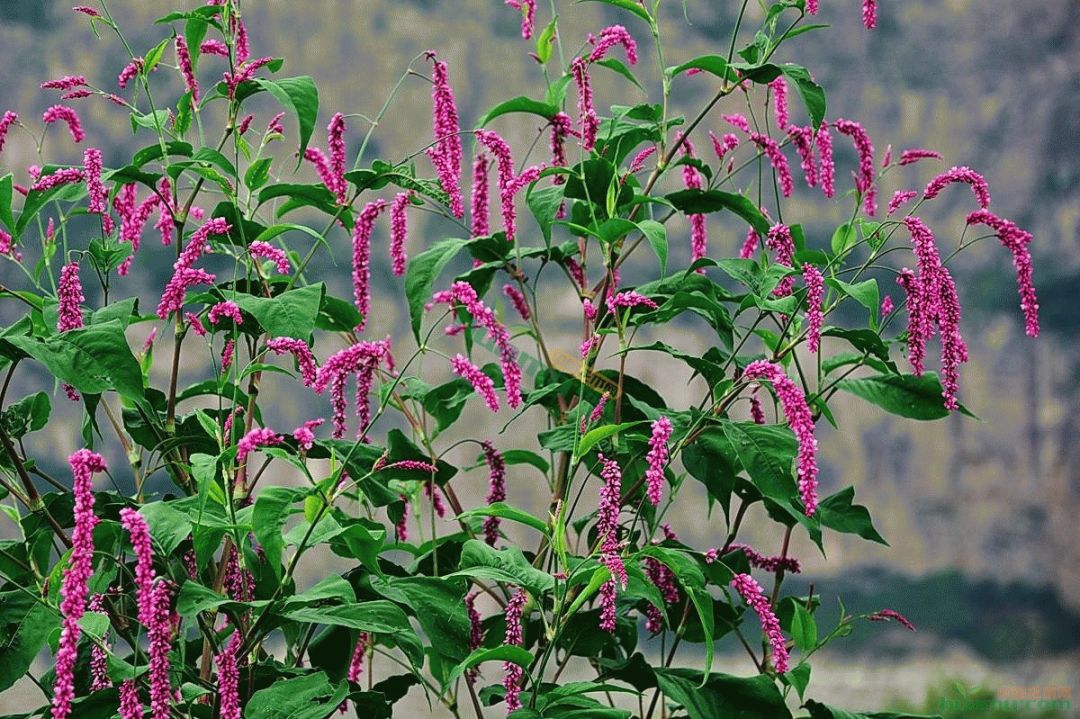
It is widely distributed all over the country and has strong adaptability. The fruit is used as medicine, named "water safflower seed", which has the effects of promoting blood circulation, relieving pain, eliminating accumulation and diuresis.
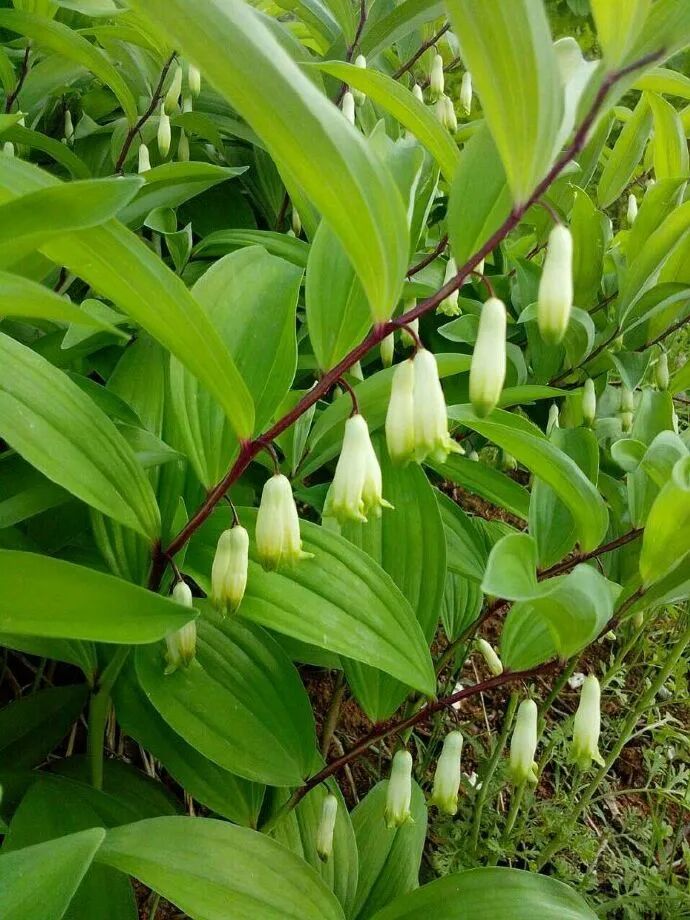
Liliaceae is a perennial herb whose roots are used for medicinal purposes, which has the effects of nourishing yin and moistening dryness, producing body fluid and quenching thirst.
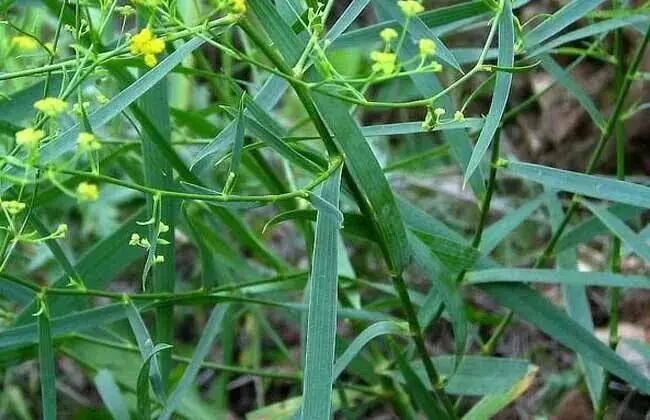
A perennial herb of the family Umbelliferae, whose root is used as medicine and can cure colds.
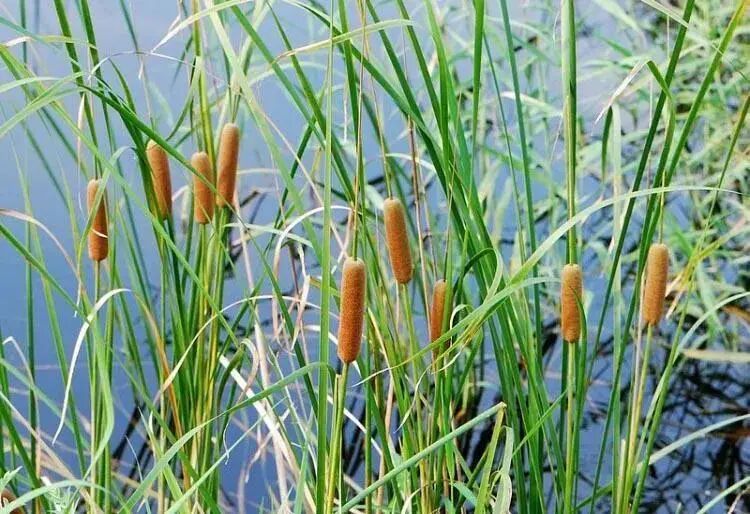
A plant that blooms like a sausage can be eaten when it is tender, but can only be used for play when it is old.
Looking at its colorful appearance, do you think it is weak, its vitality is extremely tenacious, and it is a stubborn weed in the vegetable garden, which can't be eliminated at all?
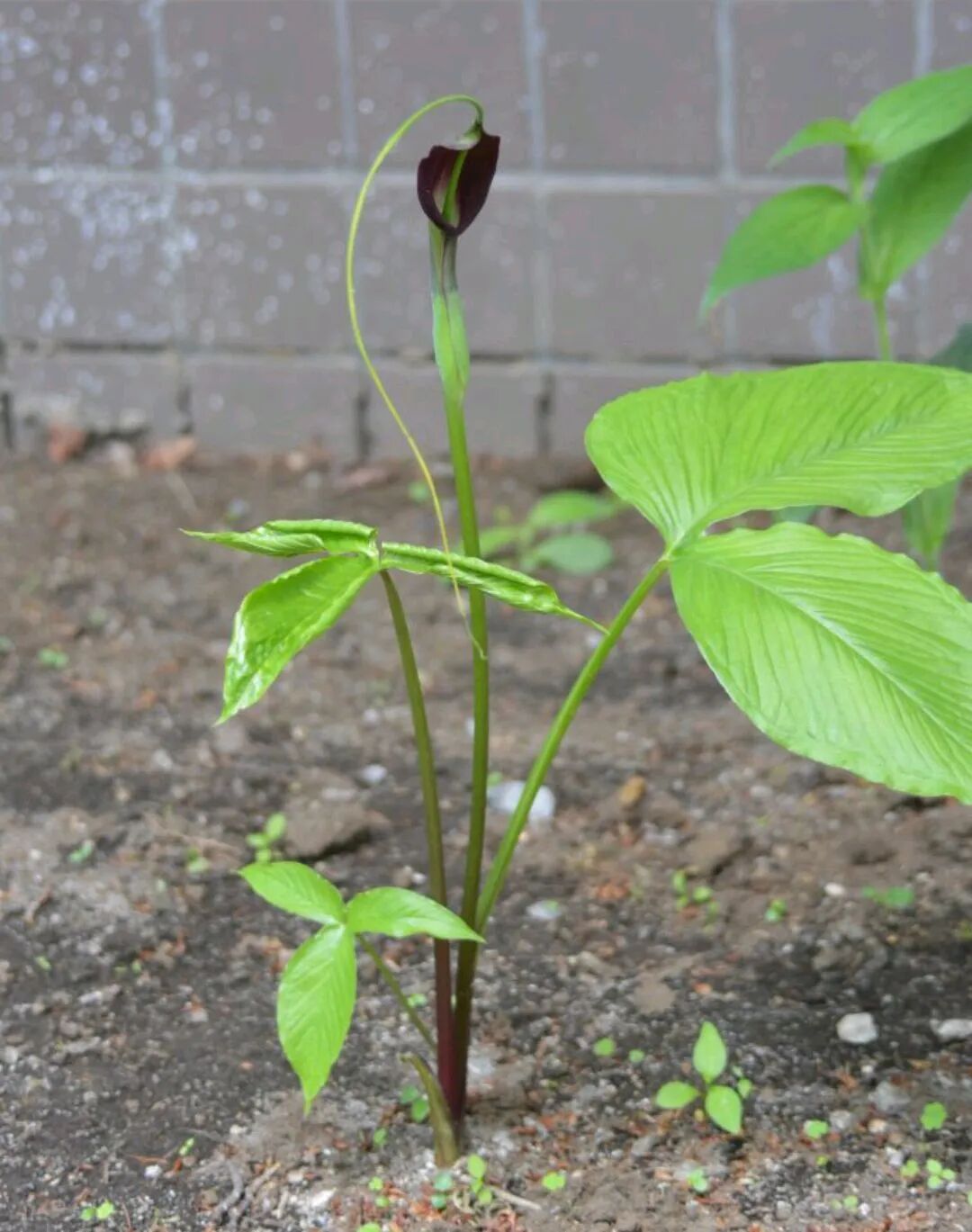
Pinellia ternata root block can be used as medicine, which has the effects of drying dampness and resolving phlegm, lowering adverse effects and relieving vomiting, and eliminating furuncle and swelling.
39. Five-star blue ginseng
Platycodonaceae, genus Blue Flower Ginseng. Alternatively known as Hedyotis grass and Can Can grass.
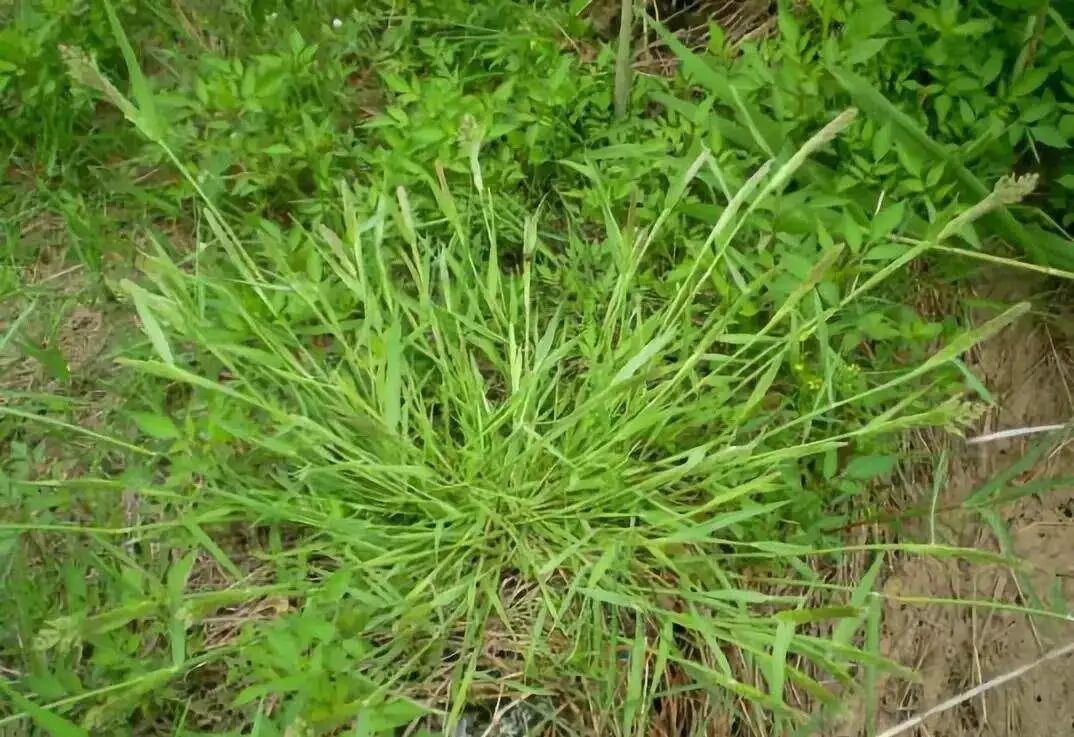
Common weeds in farmland, annual herbs, adult stalks are clustered, smooth and hairless.